

Blog
OT Insights
Hi there! We’re so glad you’ve found your way to The Therapy Network’s blog. This is your go-to space for honest, practical, and heart-led insights into the world of paediatric occupational therapy. Whether you’re navigating meltdowns, messy mealtimes, tricky handwriting, or anything in between – you’re not alone, and you’re in the right place.
At The Therapy Network, our paediatric OTs are here to share tips, ideas, and stories that support your child’s development in ways that are fun, achievable, and rooted in connection. Let’s explore how we can help little ones grow, play, and shine – one small step at a time.
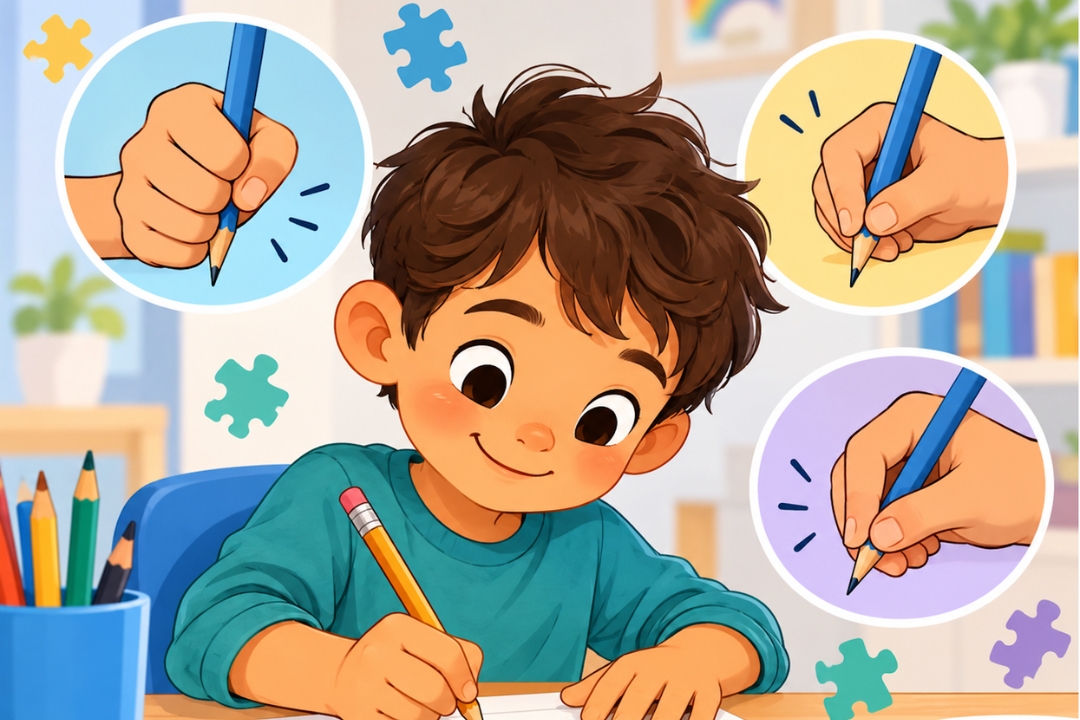
More Than a Pencil Grip: Building Strong Foundations for Confident Writing
Is your child gripping their pencil tightly, avoiding colouring, swapping hands or becoming tired when they write? As occupational therapists, we know that handwriting is about much more than pencil grip. Hand strength, posture, coordination, visual skills, attention and confidence all work together to help children become successful writers. In this blog, The Therapy Network (TTN) explores what writing readiness really looks like, the signs that a child may need extra support, and how simple everyday play can help build strong foundations for learning.

Beyond the School Gate: Preparing Young Adults for Independence, Community and Work
Leaving school is a major transition that brings new opportunities, responsibilities and challenges. For many young adults, preparing for life after school involves much more than choosing a course or finding a job. It includes learning how to manage daily routines, travel safely, participate in the community, communicate needs and take on increasing responsibility. From an occupational therapy perspective, these practical skills are best developed gradually, through real-life practice and support that reflects each young person’s strengths, goals and interests. In this blog, we explore how occupational therapists can help young adults build independence, community participation and employment readiness as they prepare for adulthood.
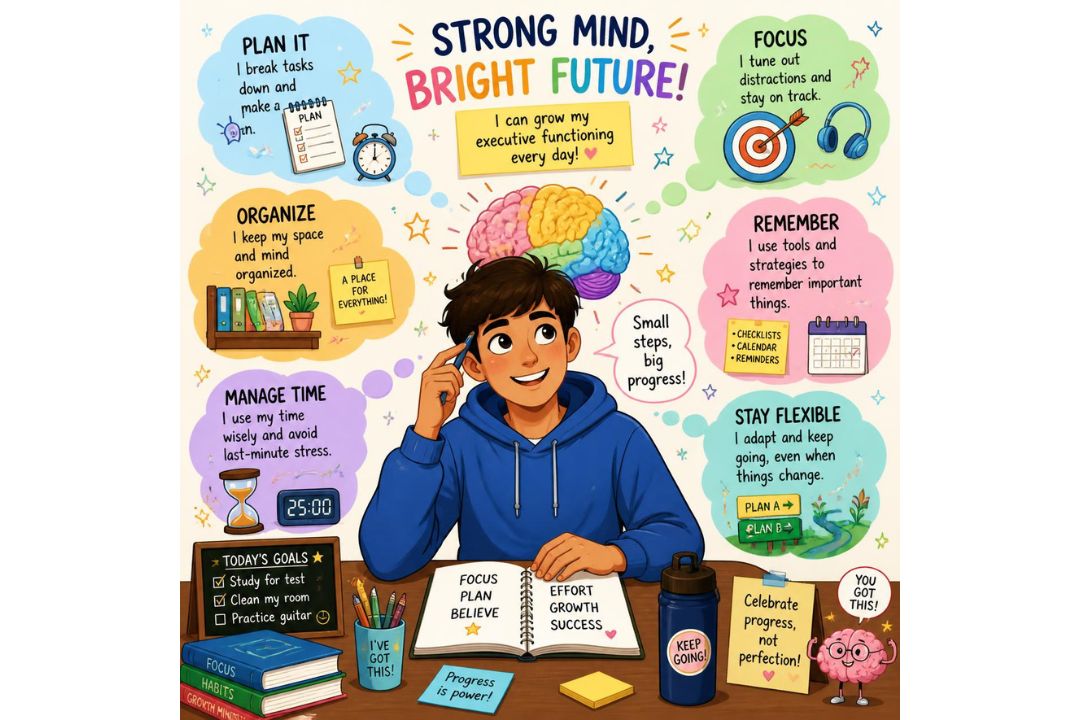
From Overwhelmed to On Track: Helping Teens Build Executive Function Skills
Planning assignments, managing time, remembering deadlines and keeping track of belongings may seem straightforward, but these tasks rely on complex executive function skills that continue developing throughout adolescence. When these skills are still emerging, teenagers may appear disorganised, unmotivated or forgetful—even when they are trying hard. From an occupational therapy perspective, the goal is not simply to tell teens to “be more organised”, but to provide practical systems that make planning, time management and organisation more visible and manageable. This blog explores how families, educators and occupational therapists can help teenagers develop strategies that support greater confidence, independence and participation.
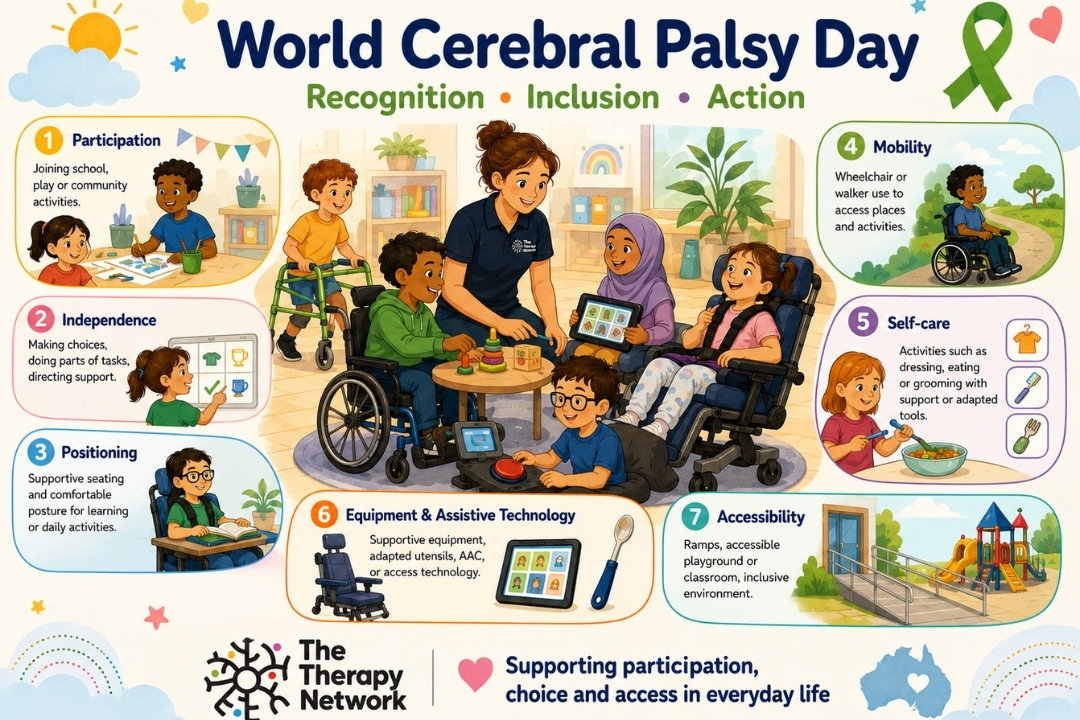
Access Changes Everything: Participation, Possibility and World Cerebral Palsy Day
This World Cerebral Palsy Day, The Therapy Network is recognising the children, young people, adults and families who are part of the cerebral palsy community. From mobility and positioning to self-care, assistive technology and environmental accessibility, Occupational Therapy can help identify and reduce barriers to participation. Because inclusion is not about expecting everyone to do things the same way — it is about creating opportunities for every person to participate in the ways that work for them.

When the Senses Shape the Feelings: Mental Health and Sensory Processing—What’s the Connection?
Sensory processing and mental health are closely connected. When everyday sounds, textures, movements, lights or environments feel overwhelming, children may experience increased stress, anxiety, frustration or emotional exhaustion. In other situations, children may seek additional sensory input to help themselves feel alert, organised and secure. This blog explores how sensory experiences can influence emotional wellbeing, behaviour and participation—and how occupational therapists can help children feel more comfortable, understood and confident in their daily lives.

More Than Keeping Busy: How Everyday Occupations Shape Your Child’s Health and Wellbeing
As occupational therapists, we know that wellbeing isn't built in therapy sessions alone—it grows through the everyday activities that give children purpose, connection, confidence, and joy. From getting dressed independently to playing with friends, participating at school, helping with family routines, and enjoying meaningful hobbies, these daily occupations are the foundation of healthy development. In this blog, we explore how occupational therapists use meaningful occupations to support children's physical, emotional, cognitive, and social wellbeing, and why participation—not perfection—is the key to helping every child thrive.