
Therapy Network
Therapy Network

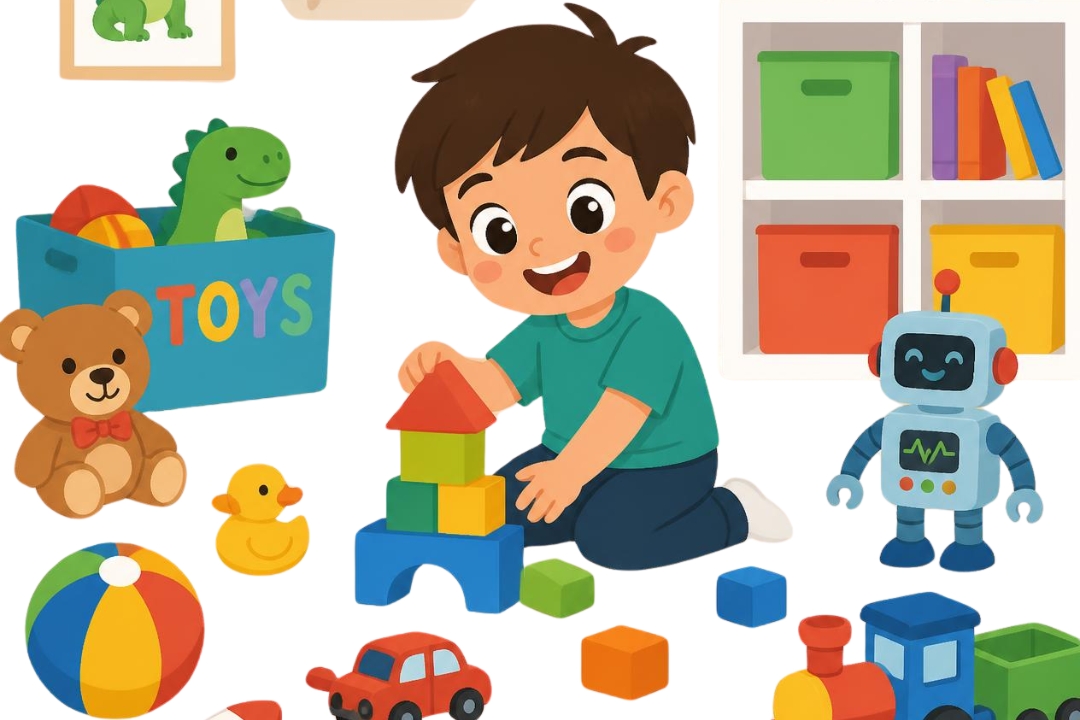
Less Clutter, More Play: How Toy Rotation Can Support Children with ADHD

A playroom full of toys might seem like the perfect environment for play, but for some children with ADHD, too many choices can make it harder to know where to start, stay engaged or pack away afterwards. Toy rotation is a simple strategy that reduces visual clutter and creates a more manageable play environment. In this blog, our Occupational Therapists at The Therapy Network explore how toy rotation can support attention, creativity, executive functioning and independent play — without taking the fun out of playtime.


Daily Living Skills, Executive Functioning, Fine and Gross Motor Skills, News, Sensory Processing|Comments Off on Less Clutter, More Play: How Toy Rotation Can Support Children with ADHD

“They Can Play Minecraft for Hours!” Understanding Why Attention Isn’t the Same as Motivation

Synopsis "If they can spend hours building LEGO or playing video games, why can't they finish their homework?" It's one of the most common questions occupational therapists hear from families of children with ADHD. The answer lies in understanding that attention and motivation are not the same thing. In this blog, we explore how the ADHD brain regulates attention, why children can intensely focus on activities they enjoy yet struggle with everyday tasks, and how occupational therapy helps children, adolescents and young adults build the skills they need to succeed.

Daily Living Skills, Emotional Regulation, Executive Functioning, Sensory Processing|Comments Off on “They Can Play Minecraft for Hours!” Understanding Why Attention Isn’t the Same as Motivation

Crossing the Midline: The Hidden Skill That Helps Children Read, Write and Thrive

Have you ever noticed your child swapping hands while colouring, turning the whole page instead of moving their arm, or using one hand for almost every task? While these behaviours may seem insignificant, they can sometimes point to an important developmental skill that is still emerging—crossing the midline. Crossing the midline is one of the building blocks for handwriting, reading, sports, self-care, and coordinated movement. It allows both sides of the body—and the brain—to work together efficiently. When this skill develops well, children move more smoothly, learn more easily, and tackle everyday tasks with greater confidence. At The Therapy Network (TTN), Occupational Therapists regularly assess and support midline crossing as part of a child's overall motor development, helping children strengthen the foundations they need for learning, independence and participation.

Daily Living Skills, Emotional Regulation, Executive Functioning, Fine and Gross Motor Skills, Sensory Processing|Comments Off on Crossing the Midline: The Hidden Skill That Helps Children Read, Write and Thrive

One Step at a Time: Helping Children Tackle Big Tasks Without Feeling Overwhelmed

Have you ever asked your child to clean their room, complete their homework, or get ready for school, only to be met with tears, frustration or complete shutdown? For many children, adolescents and young adults, the challenge isn't the task itself—it's that the brain sees too many steps at once. Breaking large tasks into smaller, manageable steps reduces cognitive load, making it easier to get started, stay organised and experience success. In this blog, our occupational therapists explain why this strategy works and how families can use simple visual and practical supports to build confidence and independence.

Daily Living Skills, Executive Functioning, School Readiness|Comments Off on One Step at a Time: Helping Children Tackle Big Tasks Without Feeling Overwhelmed

Beyond the Scores: How the ABAS Helps Us Understand Your Child’s Everyday Life

When families hear the word assessment, it's easy to imagine tests, scores and comparisons. But the Adaptive Behaviour Assessment System (ABAS) is very different. Rather than measuring intelligence or academic achievement, it helps Occupational Therapists understand how children manage the everyday skills that support independence, participation and quality of life. From getting dressed and communicating with others to following routines and participating in the community, the ABAS provides valuable insights into what life looks like beyond the clinic. At The Therapy Network (TTN), we use the ABAS as part of comprehensive Functional Capacity Assessments (FCAs) to better understand each child's strengths, identify areas where support may be needed, and develop meaningful recommendations that help children thrive at home, school and in the community.

Daily Living Skills, Emotional Regulation, Executive Functioning, Fine and Gross Motor Skills, News, Sensory Processing|Comments Off on Beyond the Scores: How the ABAS Helps Us Understand Your Child’s Everyday Life

Tiny Backpack, Big Milestone: An OT’s Perspective on Starting Childcare

Starting childcare is one of the first major transitions in a young child's life—and often one of the most emotional for parents too. In this month's OT Insight, Rebecca shares her personal experience as her son Tommy began childcare and reflects on the practical preparations, emotional challenges, and incredible developmental opportunities this milestone brings. Plus, we've included a practical Childcare Transition Checklist and occupational therapy tips to help your family feel prepared and supported through this exciting new chapter.

Daily Living Skills, Feeding & Mealtimes, News|Comments Off on Tiny Backpack, Big Milestone: An OT’s Perspective on Starting Childcare

Ready, Set, Go! Is Your Child Ready for Toilet Training? A Gentle Guide for Families

Toilet training is one of the biggest milestones of early childhood—but success isn't determined by age alone. True readiness involves physical development, body awareness, communication, sensory processing, and emotional confidence. In this blog, we explore the signs that your child may be ready to begin their toileting journey, share practical Occupational Therapy strategies to make the process positive and stress-free, and explain when it may be helpful to seek additional support. Discover how following your child's lead can build confidence, independence, and long-term success.

Daily Living Skills, Emotional Regulation, Sensory Processing|Comments Off on Ready, Set, Go! Is Your Child Ready for Toilet Training? A Gentle Guide for Families

Winter Wiggles: 10 Indoor Sensory Play Ideas to Keep Children Learning, Moving and Regulated

Cold and rainy days often mean more time indoors—but they don't have to mean more screen time. Sensory play is a fun and engaging way to support your child's development while encouraging movement, creativity, emotional regulation, and learning. In this blog, we share simple, low-preparation indoor sensory activities that use everyday household items to keep children active, connected, and thriving all winter long.

Daily Living Skills, Sensory Processing|Comments Off on Winter Wiggles: 10 Indoor Sensory Play Ideas to Keep Children Learning, Moving and Regulated

From Stress to Success: Helping Teens Stay Organised and Confident During Assessment Time

Assessment time can be stressful for teenagers, especially when they’re balancing school, friendships, extracurricular activities, and the everyday challenges of growing up. Many teens struggle with organisation, time management, and knowing where to start—not because they aren't capable, but because these skills are still developing. In this blog, we explore why organisation can be difficult, share practical Occupational Therapy strategies to reduce overwhelm, and explain how personalised support can help teens approach assessments with greater confidence and independence.

Executive Functioning, School Readiness|Comments Off on From Stress to Success: Helping Teens Stay Organised and Confident During Assessment Time

From Chore Time to Skill Time: Turning Everyday Tasks into Growth Opportunities for Kids

Chores don’t have to be a battle—in fact, they can be one of the easiest ways to support your child’s development. This blog explores how everyday tasks like tidying, cooking, and folding laundry can build motor skills, independence, problem-solving, and confidence. With simple OT-informed strategies, you can turn routine moments at home into meaningful learning opportunities.

Daily Living Skills, Executive Functioning, Fine and Gross Motor Skills, News|Comments Off on From Chore Time to Skill Time: Turning Everyday Tasks into Growth Opportunities for Kids
Go to Top