What Does “Crossing the Midline” Mean?
Imagine an invisible line running from the top of your head down through the middle of your body, dividing your left and right sides.
Crossing the midline means reaching, looking, or moving across this imaginary line using one side of the body to work in the space of the other.
For example, a child crosses their midline when they:
- Reach across to pick up a toy
- Draw from one side of the page to the other without swapping hands
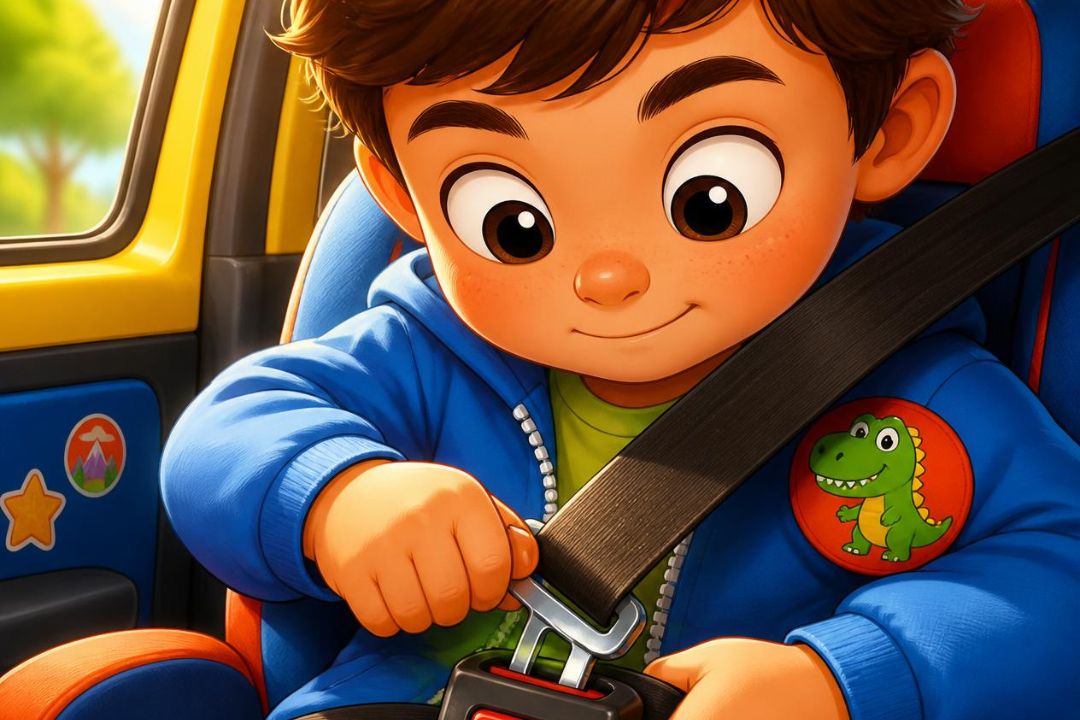
- Fasten a seatbelt
- Put on a jumper
- Catch a ball across their body
- Kick a ball positioned on the opposite side
- Wash the opposite arm in the shower
- Reach for food on the other side of the table
Although these actions seem simple, they require sophisticated communication between both sides of the brain.
Why Is Crossing the Midline So Important?
Crossing the midline supports many of the skills children rely on every day.
When children comfortably cross the midline, they are more likely to develop:
- Smooth handwriting
- Efficient reading and visual tracking
- Good pencil control
- Bilateral coordination
- Motor planning
- Balance and body awareness
- Independence with dressing and self-care
- Confidence during sport and playground activities
Rather than working as two separate halves, the brain learns to integrate information efficiently, making movement smoother and learning easier.
The Brain Behind the Movement
Crossing the midline isn’t just about moving an arm across the body—it reflects how well the two hemispheres of the brain communicate.
The left and right sides of the brain each specialise in different functions, but most everyday tasks require them to work together seamlessly.
As children repeatedly practise crossing the midline through play and movement, these communication pathways become stronger and more efficient.
This is one reason why active movement plays such an important role in early childhood development.
What Happens When Crossing the Midline Is Difficult?
Some children naturally avoid crossing the middle of their body.
Instead, they may:
- Swap hands while colouring or writing
- Turn the paper instead of moving their arm
- Rotate their whole body to reach an object
- Use only one side of their body during play
- Struggle with coordinated two-handed activities
- Find sports skills more challenging
- Tire easily during writing tasks
These children aren’t choosing the “wrong” strategy—they’re simply finding ways to compensate for a skill that is still developing.
Signs Your Child May Be Having Difficulty
You might notice your child:
- Frequently changing hands during drawing or colouring
- Avoiding reaching across their body
- Turning their body instead of their arm
- Struggling with handwriting across a page
- Losing their place while reading
- Having awkward pencil positioning
- Finding cutting with scissors difficult
- Appearing clumsy during sports
- Avoiding activities requiring two hands to work together
- Becoming frustrated during fine motor tasks
If several of these signs are present, an Occupational Therapy assessment can help identify whether midline crossing is contributing to these challenges.
How Midline Crossing Supports School Success
Crossing the midline has a significant impact on classroom learning.
Writing
Children need to move their hand smoothly across the page without stopping, swapping hands or repositioning their paper.
Well-developed midline skills support:
- Pencil control
- Letter formation
- Writing speed
- Endurance
- Neat handwriting
Reading
Reading requires the eyes to track smoothly from left to right across each line before returning to the next.
Children with reduced midline integration may:
- Lose their place
- Skip words
- Use a finger excessively for tracking
- Read more slowly
While many factors influence reading, efficient eye tracking is one important piece of the puzzle.
Self-Care Skills
Everyday independence relies heavily on crossing the midline.
Children use it when:
- Dressing themselves
- Washing and drying their body
- Brushing hair
- Putting on a seatbelt
- Using cutlery
- Carrying objects
- Packing their school bag
As this skill develops, many daily tasks become quicker and more efficient.
Fun Ways to Build Midline Skills at Home
Fun Ways to Build Midline Skills at Home
The best way to strengthen midline crossing is through movement and play.
1. Treasure Hunts Across the Body
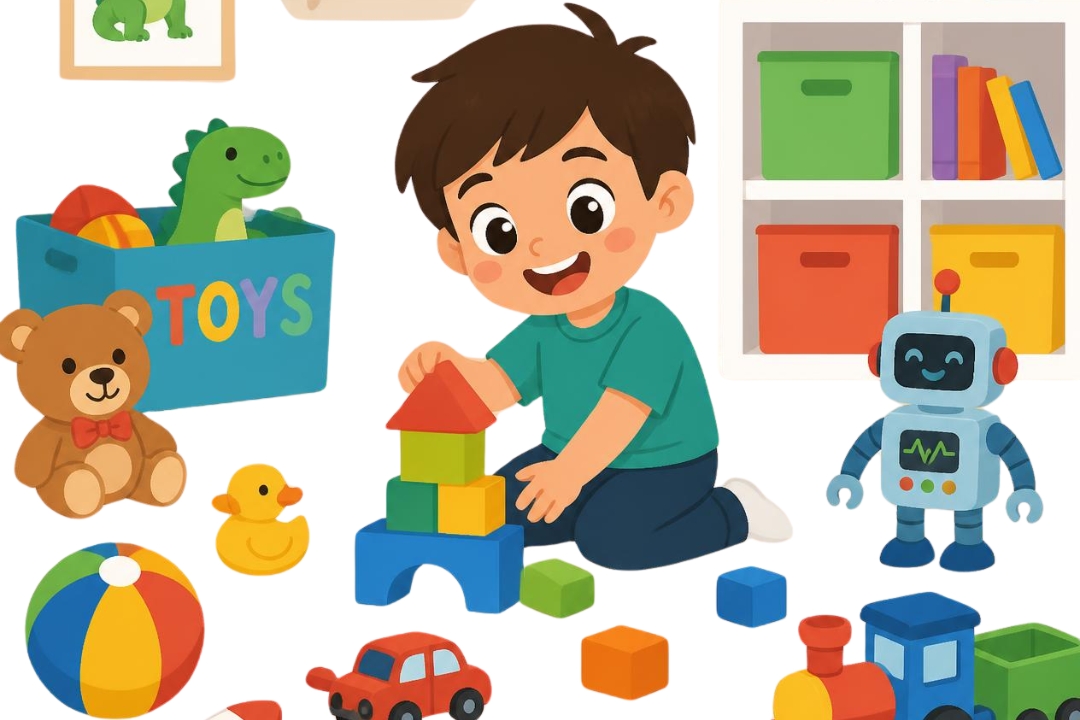
Place toys on opposite sides and encourage your child to reach across their body to collect them.
For example:
- Pick up blocks from the left using the right hand.
- Feed toy animals across the body.
- Place stickers on opposite sides of a large poster.
2. Crawling Games
Crawling naturally encourages both sides of the body to work together.
Try:
- Obstacle courses
- Tunnel play
- Animal walks
- Bear crawls
- Crab walks
These activities strengthen coordination while building core and shoulder stability.
3. Big Drawing Activities
Large movements help children practise crossing the body’s centre.
Use:
- Sidewalk chalk
- Whiteboards
- Easels
- Large butcher’s paper taped to the wall
Encourage drawing giant rainbows, figure eights, circles and long horizontal lines.
4. Ball Games
Simple throwing and catching activities are fantastic for bilateral coordination.
Try:
- Catching across the body
- Throwing to targets
- Rolling balls around obstacles
- Balloon volleyball
These games encourage children to move naturally across their midline without even thinking about it.
5. Dancing and Action Songs
Songs involving coordinated actions help children develop rhythm and body awareness.
Examples include:
- Head, Shoulders, Knees and Toes
- Hokey Pokey
- Follow-the-leader games
- Dance routines involving opposite arm and leg movements
6. Bilateral Play
Activities requiring both hands to work together strengthen coordination between the two sides of the body.
Great options include:
- LEGO®
- Building blocks
- Threading beads
- Lacing cards
- Cutting with scissors
- Rolling playdough
- Opening containers
- Construction toys
7. Sports and Outdoor Play
Many outdoor activities naturally promote crossing the midline.
Encourage:
- Kicking a ball
- Climbing playground equipment
- Swimming
- Tennis
- Basketball
- Martial arts
- Dancing
- Bike riding
These activities combine strength, balance and coordination while supporting whole-body development.
More Than Just Crossing the Midline
Occupational Therapists don’t look at midline crossing in isolation.
We also consider:
- Bilateral coordination
- Core strength
- Shoulder stability
- Fine motor skills
- Gross motor skills
- Motor planning
- Visual motor integration
- Visual perception
- Eye tracking
- Sensory processing
Often, improvements across these areas work together to make handwriting, learning and everyday activities much easier.
How TTN Occupational Therapists Can Help
At The Therapy Network (TTN), we understand that every child develops at their own pace.
Our Occupational Therapists complete comprehensive assessments to identify the underlying skills affecting your child’s participation at home, school and in the community.
We may support children by:
- Assessing bilateral coordination and midline crossing
- Identifying challenges affecting handwriting and learning
- Developing individualised therapy goals
- Using engaging, play-based intervention
- Building fine and gross motor skills
- Strengthening visual motor integration
- Supporting school readiness
- Coaching parents with practical activities to continue at home
- Collaborating with educators to support classroom participation
Our therapy sessions are designed to feel like play while targeting the developmental foundations that help children succeed.
Building Strong Foundations for Lifelong Learning
Crossing the midline may seem like a small developmental milestone, but it plays a surprisingly important role in helping children move, learn and participate confidently.
Whether your child is learning to write, developing sporting skills or simply becoming more independent, efficient communication between both sides of the body and brain provides the foundation for success.
At The Therapy Network (TTN), we believe every child deserves the opportunity to develop these essential skills through engaging, meaningful and play-based experiences.
Sometimes the smallest movements build the biggest foundations.
Need Some Extra Support?
If you’ve noticed your child frequently swapping hands, struggling with handwriting, avoiding coordinated movements, or becoming frustrated during fine motor activities, an Occupational Therapy assessment can help identify whether midline crossing or other developmental skills may be contributing.
Our team at The Therapy Network (TTN) is passionate about helping children build the strong foundations they need for learning, confidence and independence.