Therapy Network
Therapy Network

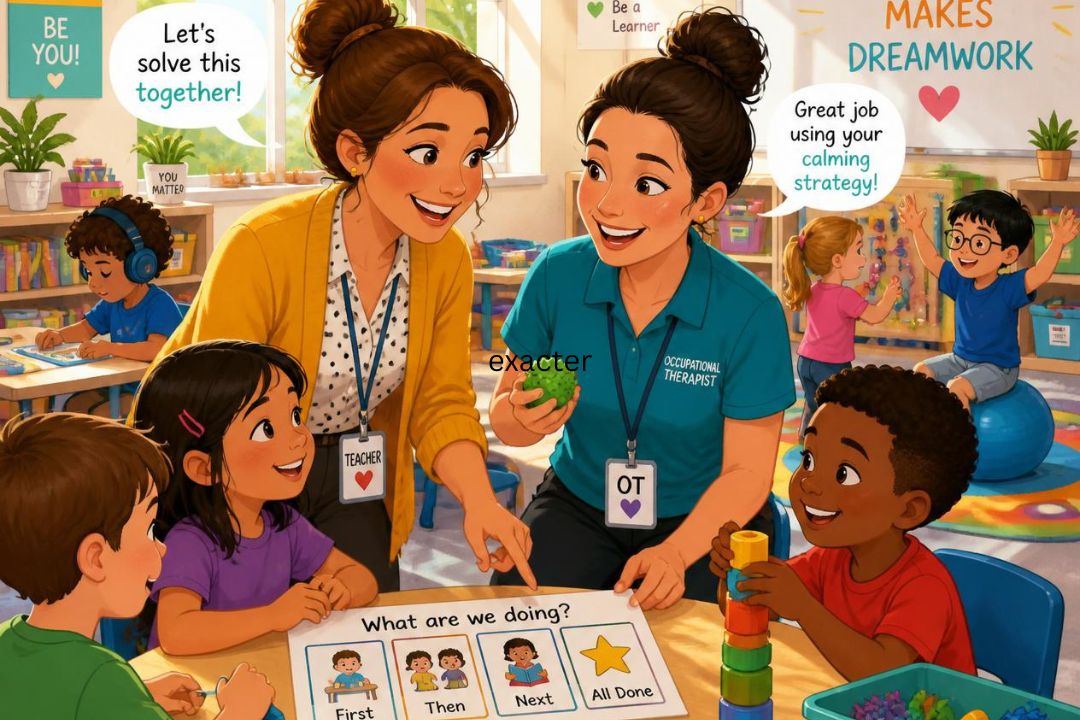
Discover practical tips to prepare your child for school, including independence, fine motor skills, emotional regulation, and classroom readiness.
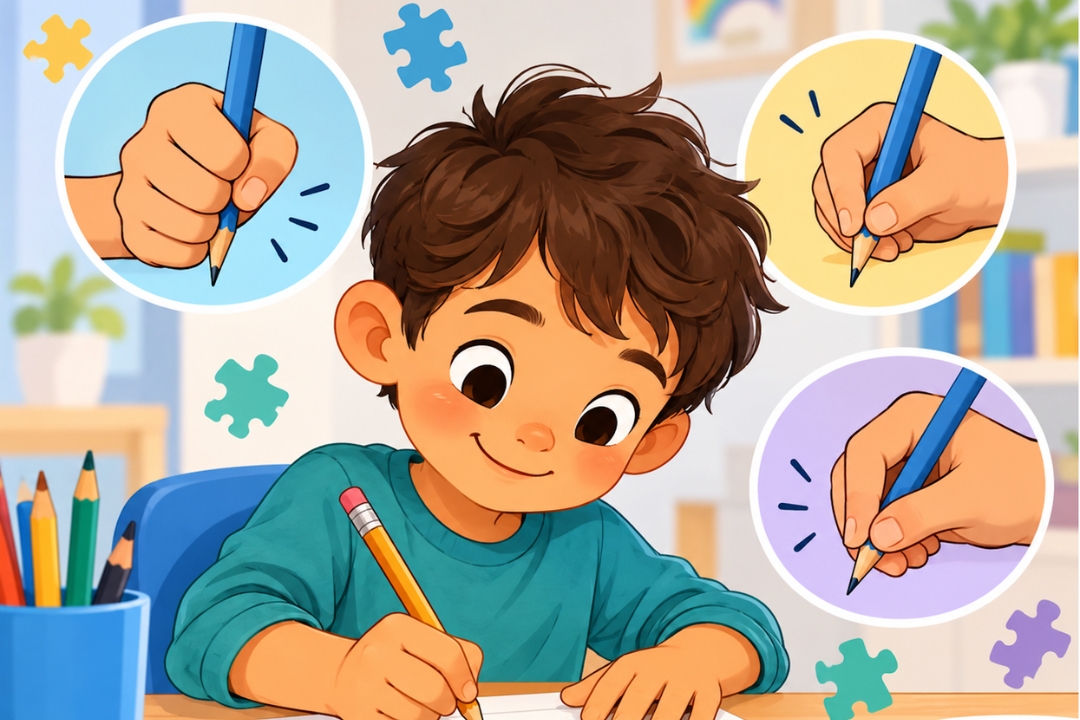
More Than a Pencil Grip: Building Strong Foundations for Confident Writing

Is your child gripping their pencil tightly, avoiding colouring, swapping hands or becoming tired when they write? As occupational therapists, we know that handwriting is about much more than pencil grip. Hand strength, posture, coordination, visual skills, attention and confidence all work together to help children become successful writers. In this blog, The Therapy Network (TTN) explores what writing readiness really looks like, the signs that a child may need extra support, and how simple everyday play can help build strong foundations for learning.


Daily Living Skills, School Readiness|Comments Off on More Than a Pencil Grip: Building Strong Foundations for Confident Writing

More Than Keeping Busy: How Everyday Occupations Shape Your Child’s Health and Wellbeing

As occupational therapists, we know that wellbeing isn't built in therapy sessions alone—it grows through the everyday activities that give children purpose, connection, confidence, and joy. From getting dressed independently to playing with friends, participating at school, helping with family routines, and enjoying meaningful hobbies, these daily occupations are the foundation of healthy development. In this blog, we explore how occupational therapists use meaningful occupations to support children's physical, emotional, cognitive, and social wellbeing, and why participation—not perfection—is the key to helping every child thrive.

Daily Living Skills, Emotional Regulation, Executive Functioning, Fine and Gross Motor Skills, School Readiness, Sensory Processing|Comments Off on More Than Keeping Busy: How Everyday Occupations Shape Your Child’s Health and Wellbeing

Beyond the Behaviour: What Is Your Child Really Trying to Tell You?

A child’s behaviour is often the most visible part of a much bigger story. Meltdowns, withdrawal, refusal, aggression or avoidance may be signs that a child is overwhelmed, anxious, tired, confused or unable to express what they need. In this blog, we explore the difference between behaviour and emotional regulation, why behaviour is a form of communication, and how adults can respond with curiosity, connection and practical support.

Daily Living Skills, Emotional Regulation, Executive Functioning, School Readiness, Sensory Processing|Comments Off on Beyond the Behaviour: What Is Your Child Really Trying to Tell You?

It Takes a Team: Why Children Thrive When Families, Teachers and Occupational Therapists Work Together

A child’s development doesn’t happen within the four walls of a therapy room. Children are constantly learning, adapting and participating across home, school, kinder and the community—and each environment gives us a different piece of the puzzle. At The Therapy Network (TTN), our Occupational Therapists believe some of the most meaningful progress happens when children, families, educators and therapists work together. In this blog, we explore why collaboration matters, what each person brings to the team, and how simple, consistent strategies across everyday environments can help children feel more confident, capable and supported.

Daily Living Skills, Fine and Gross Motor Skills, News, School Readiness|Comments Off on It Takes a Team: Why Children Thrive When Families, Teachers and Occupational Therapists Work Together

Beyond the Therapy Room: Why OTs Love Working Where Children Learn

A child can show us so much in a therapy room—but sometimes the missing piece of the puzzle is seeing them in the place where they spend much of their week: school. From managing classroom routines and playground friendships to coping with noise, organising belongings, starting tasks and regulating big emotions, school places many demands on a child at once. From an Occupational Therapist’s perspective, seeing these everyday moments firsthand can provide incredibly valuable insight into what is helping a child participate—and what might be getting in the way. In this TTN OT Insight, we explore why our Occupational Therapists work in schools, what we are looking for during a school visit, and how collaboration between therapists, educators and families can help children feel more confident, capable and included throughout their school day.

Daily Living Skills, Executive Functioning, Fine and Gross Motor Skills, News, School Readiness, Sensory Processing|Comments Off on Beyond the Therapy Room: Why OTs Love Working Where Children Learn

Wiggles, Wobbles and Wondering Why: Understanding Movement Needs in the Classroom

Does your child constantly fidget, rock on their chair, swing their legs, or find it impossible to sit still during class? While these behaviours are often mistaken for poor attention or disruptive behaviour, they may actually be a child's way of helping their brain stay alert and regulated. In this blog, The Therapy Network (TTN) explains why movement is essential for learning, how occupational therapists understand movement needs, and practical strategies to help children succeed in the classroom without expecting them to remain perfectly still.

News, School Readiness, Sensory Processing|Comments Off on Wiggles, Wobbles and Wondering Why: Understanding Movement Needs in the Classroom

From Fists to Functional: Understanding Pencil Grasp Development in Children

Many parents worry when they notice their child holding a pencil differently from their peers. But did you know that pencil grasp develops gradually through a series of predictable stages? In this blog, our paediatric occupational therapists explain how pencil grasp evolves, what is considered typical at different ages, common misconceptions, and when it may be helpful to seek support. Learn how strength, coordination, posture, and play all contribute to successful handwriting.

Daily Living Skills, Fine and Gross Motor Skills, School Readiness|Comments Off on From Fists to Functional: Understanding Pencil Grasp Development in Children

One Step at a Time: Helping Children Tackle Big Tasks Without Feeling Overwhelmed

Have you ever asked your child to clean their room, complete their homework, or get ready for school, only to be met with tears, frustration or complete shutdown? For many children, adolescents and young adults, the challenge isn't the task itself—it's that the brain sees too many steps at once. Breaking large tasks into smaller, manageable steps reduces cognitive load, making it easier to get started, stay organised and experience success. In this blog, our occupational therapists explain why this strategy works and how families can use simple visual and practical supports to build confidence and independence.

Daily Living Skills, Executive Functioning, School Readiness|Comments Off on One Step at a Time: Helping Children Tackle Big Tasks Without Feeling Overwhelmed

Power Up Those Little Hands: Building Strength Through Play (No Worksheets Needed!)

When people think about developing hand strength, they often picture endless handwriting practice or repetitive exercises. The good news is that children build stronger hands best through play. Every time they squeeze, pinch, pull, twist, climb, build, or create, they're strengthening the muscles needed for writing, dressing, eating, and becoming more independent. At The Therapy Network (TTN), we believe that the best therapy often looks like play. Our Occupational Therapists help children build strong, capable hands through fun, meaningful activities that fit naturally into everyday family life.

Daily Living Skills, Fine and Gross Motor Skills, School Readiness|Comments Off on Power Up Those Little Hands: Building Strength Through Play (No Worksheets Needed!)

From Stress to Success: Helping Teens Stay Organised and Confident During Assessment Time

Assessment time can be stressful for teenagers, especially when they’re balancing school, friendships, extracurricular activities, and the everyday challenges of growing up. Many teens struggle with organisation, time management, and knowing where to start—not because they aren't capable, but because these skills are still developing. In this blog, we explore why organisation can be difficult, share practical Occupational Therapy strategies to reduce overwhelm, and explain how personalised support can help teens approach assessments with greater confidence and independence.

Executive Functioning, School Readiness|Comments Off on From Stress to Success: Helping Teens Stay Organised and Confident During Assessment Time
Go to Top