

Blog
OT Insights
Hi there! We’re so glad you’ve found your way to The Therapy Network’s blog. This is your go-to space for honest, practical, and heart-led insights into the world of paediatric occupational therapy. Whether you’re navigating meltdowns, messy mealtimes, tricky handwriting, or anything in between – you’re not alone, and you’re in the right place.
At The Therapy Network, our paediatric OTs are here to share tips, ideas, and stories that support your child’s development in ways that are fun, achievable, and rooted in connection. Let’s explore how we can help little ones grow, play, and shine – one small step at a time.

Beyond the Therapy Room: Why OTs Love Working Where Children Learn
A child can show us so much in a therapy room—but sometimes the missing piece of the puzzle is seeing them in the place where they spend much of their week: school. From managing classroom routines and playground friendships to coping with noise, organising belongings, starting tasks and regulating big emotions, school places many demands on a child at once. From an Occupational Therapist’s perspective, seeing these everyday moments firsthand can provide incredibly valuable insight into what is helping a child participate—and what might be getting in the way. In this TTN OT Insight, we explore why our Occupational Therapists work in schools, what we are looking for during a school visit, and how collaboration between therapists, educators and families can help children feel more confident, capable and included throughout their school day.

Wiggles, Wobbles and Wondering Why: Understanding Movement Needs in the Classroom
Does your child constantly fidget, rock on their chair, swing their legs, or find it impossible to sit still during class? While these behaviours are often mistaken for poor attention or disruptive behaviour, they may actually be a child's way of helping their brain stay alert and regulated. In this blog, The Therapy Network (TTN) explains why movement is essential for learning, how occupational therapists understand movement needs, and practical strategies to help children succeed in the classroom without expecting them to remain perfectly still.
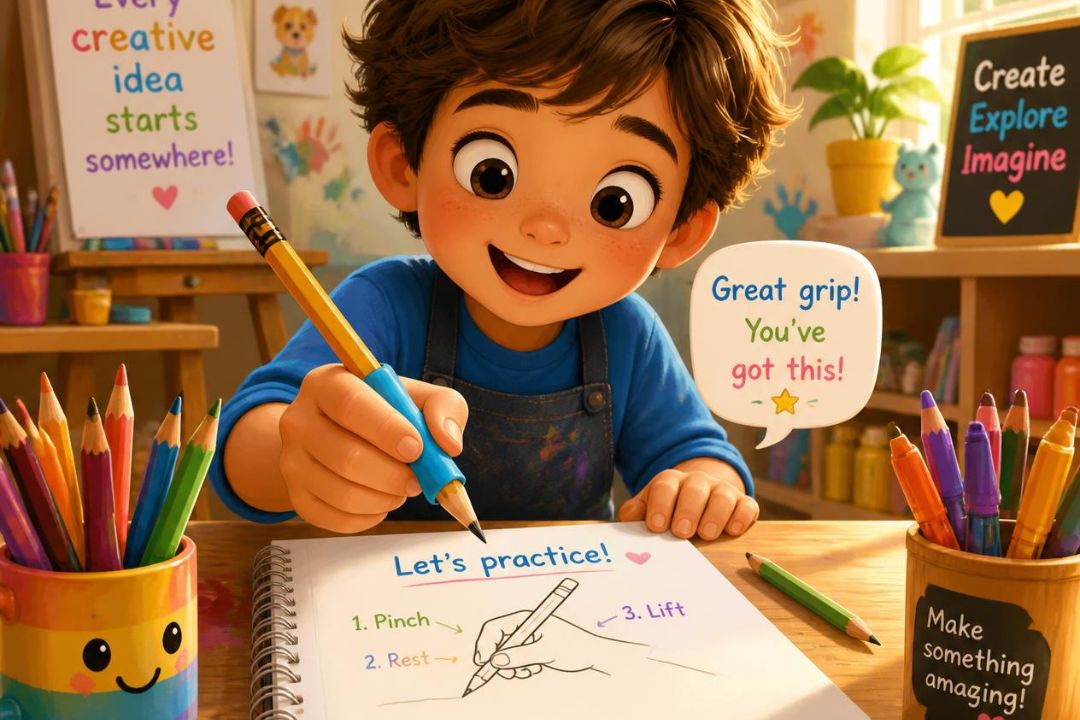
From Fists to Functional: Understanding Pencil Grasp Development in Children
Many parents worry when they notice their child holding a pencil differently from their peers. But did you know that pencil grasp develops gradually through a series of predictable stages? In this blog, our paediatric occupational therapists explain how pencil grasp evolves, what is considered typical at different ages, common misconceptions, and when it may be helpful to seek support. Learn how strength, coordination, posture, and play all contribute to successful handwriting.

One Step at a Time: Helping Children Tackle Big Tasks Without Feeling Overwhelmed
Have you ever asked your child to clean their room, complete their homework, or get ready for school, only to be met with tears, frustration or complete shutdown? For many children, adolescents and young adults, the challenge isn't the task itself—it's that the brain sees too many steps at once. Breaking large tasks into smaller, manageable steps reduces cognitive load, making it easier to get started, stay organised and experience success. In this blog, our occupational therapists explain why this strategy works and how families can use simple visual and practical supports to build confidence and independence.

Power Up Those Little Hands: Building Strength Through Play (No Worksheets Needed!)
When people think about developing hand strength, they often picture endless handwriting practice or repetitive exercises. The good news is that children build stronger hands best through play. Every time they squeeze, pinch, pull, twist, climb, build, or create, they're strengthening the muscles needed for writing, dressing, eating, and becoming more independent. At The Therapy Network (TTN), we believe that the best therapy often looks like play. Our Occupational Therapists help children build strong, capable hands through fun, meaningful activities that fit naturally into everyday family life.

From Stress to Success: Helping Teens Stay Organised and Confident During Assessment Time
Assessment time can be stressful for teenagers, especially when they’re balancing school, friendships, extracurricular activities, and the everyday challenges of growing up. Many teens struggle with organisation, time management, and knowing where to start—not because they aren't capable, but because these skills are still developing. In this blog, we explore why organisation can be difficult, share practical Occupational Therapy strategies to reduce overwhelm, and explain how personalised support can help teens approach assessments with greater confidence and independence.