
From Crawling to Climbing: How Movement Builds Brains, Boosts Learning and Helps Children Thrive
Movement Is the Brain's Favourite Teacher Children don't learn best [...]
Cold and rainy days often mean more time indoors—but they don't have to mean more screen time. Sensory play is a fun and engaging way to support your child's development while encouraging movement, creativity, emotional regulation, and learning. In this blog, we share simple, low-preparation indoor sensory activities that use everyday household items to keep children active, connected, and thriving all winter long.
Disability Inclusion Profiles (DIPs) are essential tools that help Victorian schools understand and support each student’s unique needs. This blog explores what DIPs are, why they are important, and how occupational therapists (OTs) play a vital role in creating them. By assessing a child’s functional abilities and collaborating with teachers and families, OTs ensure DIPs are practical, evidence-based, and student-centred. The blog also invites schools and families to connect with The Therapy Network to develop or enhance DIPs, fostering inclusive learning environments where every child can thrive.
Starting school is a major milestone, and many parents wonder if their child is truly ready. Here The Therapy Network explores what school readiness really means — from self-care and fine motor skills to emotional regulation and classroom confidence. We explain how paediatric occupational therapy supports children in developing the foundational skills needed to thrive in the school environment. With practical tips for families and reassurance that readiness looks different for every child, this blog encourages a strengths-based, supportive approach to this important transition.
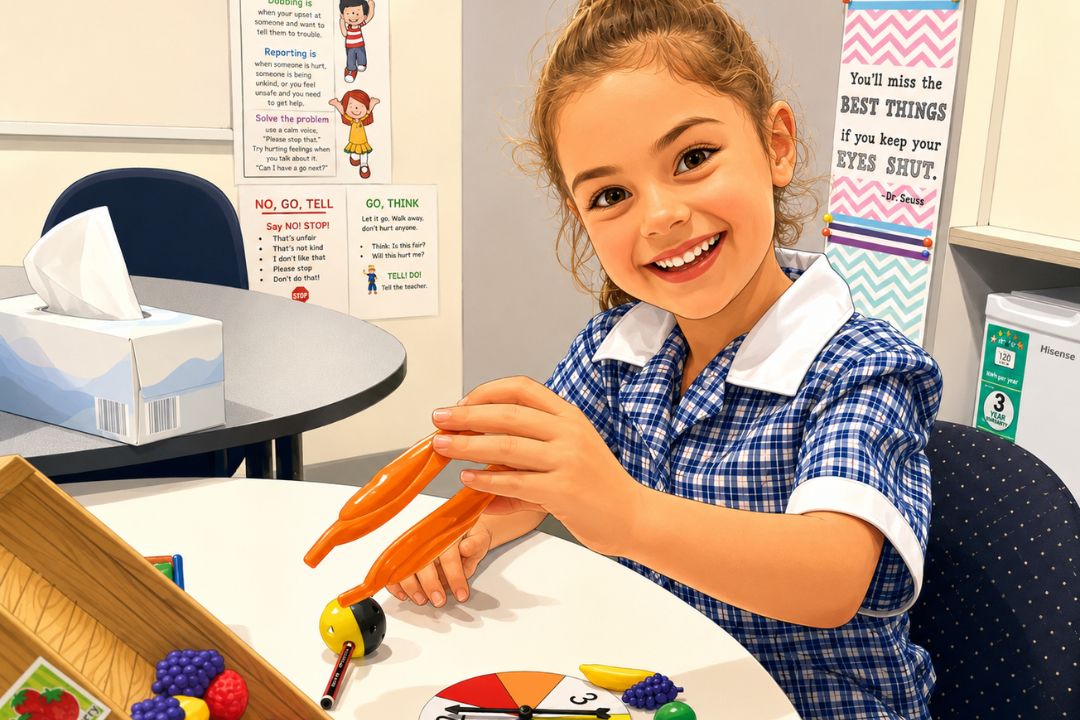
In this engaging post, we explore why play is far more than fun — it's a vital part of how children learn, grow, and connect with the world. Highlighting the central role of play in physical, cognitive, social-emotional, and language development, we look at how OTs use play both as a therapeutic tool and as a meaningful goal. From building motor skills with blocks to fostering imagination through pretend play, we discuss how play-based therapy boosts engagement and outcomes. Play isn’t a break from learning — it is learning.