
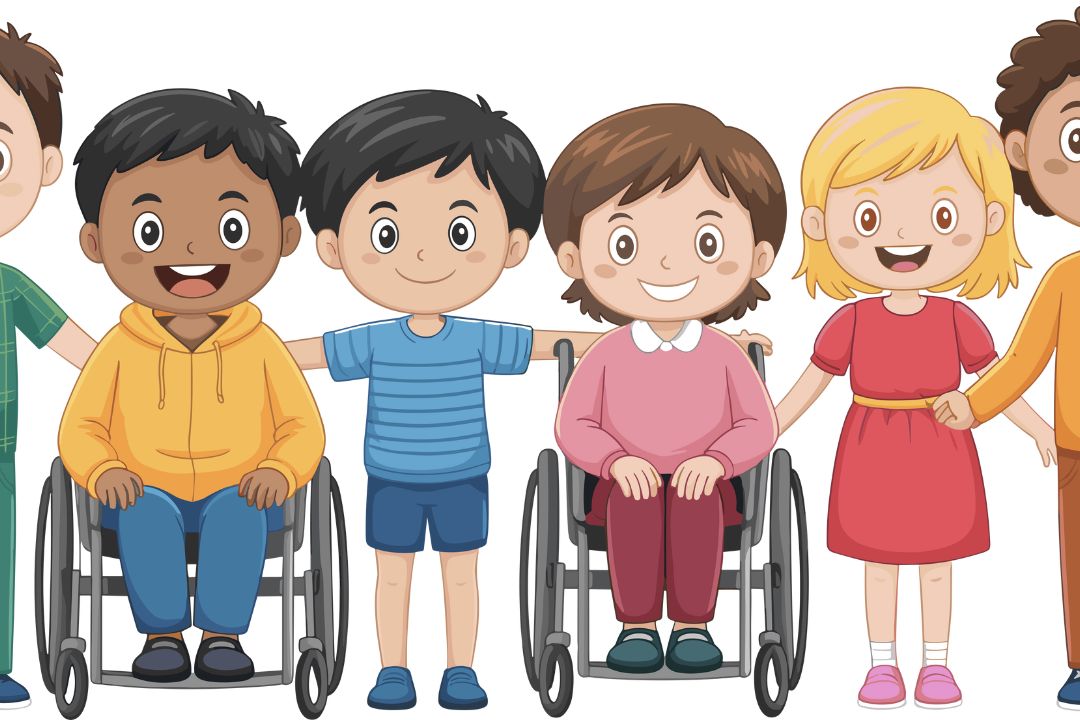
In Victorian schools, creating an inclusive environment for all students is more than a policy—it’s a commitment to understanding and supporting each child’s unique needs. One of the key tools schools use to achieve this is the Disability Inclusion Profile (DIP).
What is a Disability Inclusion Profile?
A Disability Inclusion Profile is a structured document that provides teachers and support staff with essential information about a student’s abilities, challenges, and strategies that help them succeed in the classroom. It is designed to:
Promote a shared understanding between families, educators, and allied health professionals.
Highlight a student’s strengths and areas for support.
Suggest practical strategies for learning, participation, and social interaction.
Ensure consistency of support across classrooms and school activities.
Why are DIPs important?
DIPs are not just paperwork—they are a roadmap for creating meaningful inclusion. For teachers, they provide practical guidance on how to adapt the classroom environment, instruction, and expectations. For families, they offer reassurance that their child’s needs are understood and considered. And for students, DIPs help create a learning environment where they can thrive alongside their peers.
The Role of an Occupational Therapist
Occupational therapists bring a unique perspective to the development of DIPs. They assess a student’s functional abilities in areas such as:
- Fine and gross motor skills (writing, cutting, coordination).
- Sensory processing (how a child responds to noise, touch, or movement).
- Daily routines and independence (self-care, transitions, classroom participation).
- Cognitive and executive functioning skills (organisation, attention, memory).
By contributing their expertise, OTs ensure that the strategies included in a DIP are evidence-based, practical, and tailored to the student’s real-world needs. This collaboration means teachers are not left guessing, and students receive consistent support that can enhance learning, engagement, and overall wellbeing.
How OTs Work with Schools on DIPs
An OT may:
- Observe the student in the classroom and playground.
- Conduct assessments to identify areas of need and strength.
- Collaborate with teachers, families, and other allied health professionals to write recommendations.
- Provide ongoing support and review strategies to ensure they remain effective.
Creating a Culture of Inclusion
Disability Inclusion Profiles are more than documents—they are a commitment to understanding and supporting every student. With occupational therapists as part of the team, schools can be confident that each profile is detailed, practical, and student-centred.
Get in Touch
If you are a school looking to develop or update a Disability Inclusion Profile, or a family seeking guidance on supporting your child at school, The Therapy Network can help. Our experienced OTs work closely with schools and families to create DIPs that are personalised, practical, and effective.
Contact us today to discuss how we can support your school or child in developing a Disability Inclusion Profile that makes inclusion a reality.