
Every child is unique — they learn, move, feel, and interact with the world in their own way.
As paediatric occupational therapists, we have the privilege of working with a beautifully diverse group of children.
One term that is becoming more widely used and better understood is neurodiversity — and it’s one we proudly embrace.
What Is Neurodiversity?
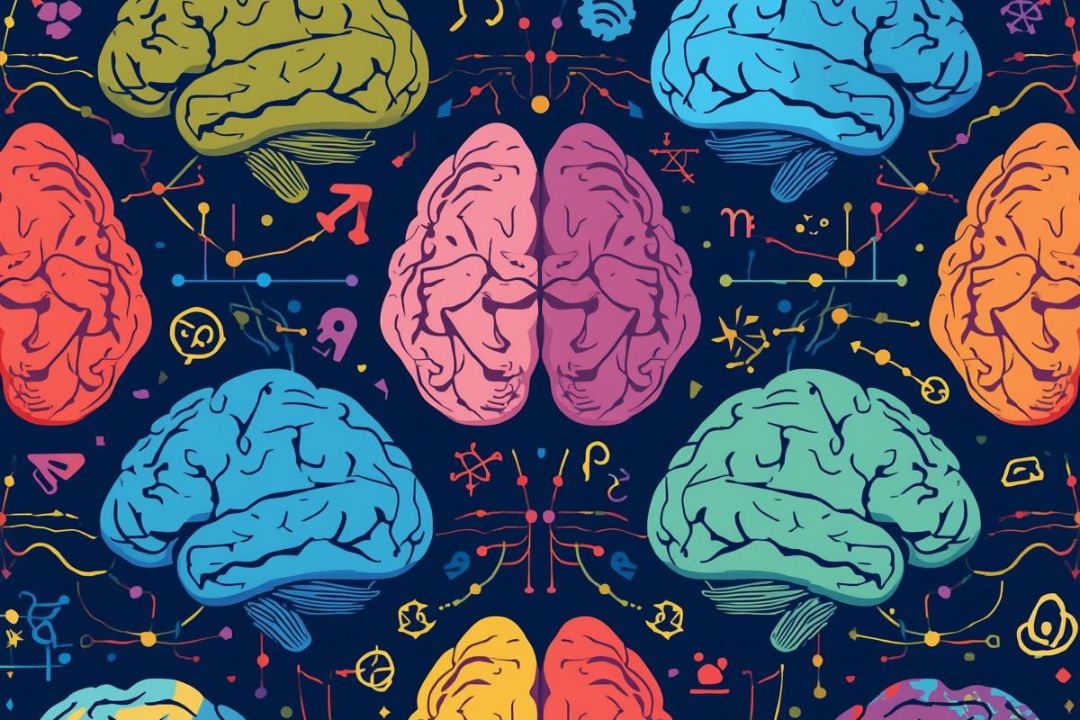
Neurodiversity is the idea that there is no single “right” way for brains to work. Instead, all brains are wired differently — and that diversity is natural, valuable, and worth celebrating. The term includes neurological differences such as autism, ADHD, dyslexia, dyspraxia, and other learning or developmental differences.
In short, neurodiversity moves us away from focusing on “disorders” and “deficits” and instead encourages a deeper understanding of individual strengths, needs, and ways of engaging with the world.
Strengths of Neurodivergent Children
Neurodivergent children often have incredible strengths, including:
- Creative thinking and problem-solving in unique ways.
- Deep focus or passion for topics of interest.
- Strong memory for facts, patterns, or details.
- Authenticity and honesty in social interactions.
- Keen observation skills and attention to sensory detail.
When these strengths are recognised and supported, children can flourish — not by trying to “fit in,” but by being valued for exactly who they are.
The Role of OT: We are here to Support, Not Fix
Occupational therapy for neurodivergent children isn’t about trying to make them more “typical” — it’s about helping them navigate their environments, build on their strengths, and feel confident in their abilities.
We might support children in:
- Regulating sensory input to help them feel calm and focused.
- Building independence in daily activities like dressing, eating, or writing.
- Developing communication and play skills to help them connect with others.
- Creating routines and strategies to support executive functioning and reduce overwhelm.
All of this is done with the child’s goals, preferences, and identity at the centre.
Acceptance Matters
For neurodivergent children to thrive, they need more than therapy — they need acceptance. When families, schools, and communities celebrate differences rather than trying to “correct” them, children are more likely to:
- Develop positive self-esteem.
- Feel safe and understood.
- Build meaningful relationships.
As therapists, we also support parents and caregivers by helping them understand their child’s unique way of being, advocating for inclusive environments, and shifting the focus from “what’s wrong” to “what’s strong.”
Understanding neurodiversity invites us to reimagine what “normal” means — and to recognise that all children, regardless of how their brains are wired, have something valuable to contribute.
At the heart of the OT’s at The Therapy Network is a deep respect for every child’s individuality.
By embracing neurodiversity, we help children build the confidence, skills, and support systems they need to shine — not in spite of who they are, but because of it.