
Therapy Network
Therapy Network

When the Senses Shape the Feelings: Mental Health and Sensory Processing—What’s the Connection?

Sensory processing and mental health are closely connected. When everyday sounds, textures, movements, lights or environments feel overwhelming, children may experience increased stress, anxiety, frustration or emotional exhaustion. In other situations, children may seek additional sensory input to help themselves feel alert, organised and secure. This blog explores how sensory experiences can influence emotional wellbeing, behaviour and participation—and how occupational therapists can help children feel more comfortable, understood and confident in their daily lives.


Daily Living Skills, Emotional Regulation, Sensory Processing|Comments Off on When the Senses Shape the Feelings: Mental Health and Sensory Processing—What’s the Connection?

More Than Keeping Busy: How Everyday Occupations Shape Your Child’s Health and Wellbeing

As occupational therapists, we know that wellbeing isn't built in therapy sessions alone—it grows through the everyday activities that give children purpose, connection, confidence, and joy. From getting dressed independently to playing with friends, participating at school, helping with family routines, and enjoying meaningful hobbies, these daily occupations are the foundation of healthy development. In this blog, we explore how occupational therapists use meaningful occupations to support children's physical, emotional, cognitive, and social wellbeing, and why participation—not perfection—is the key to helping every child thrive.

Daily Living Skills, Emotional Regulation, Executive Functioning, Fine and Gross Motor Skills, School Readiness, Sensory Processing|Comments Off on More Than Keeping Busy: How Everyday Occupations Shape Your Child’s Health and Wellbeing

Beyond the Behaviour: What Is Your Child Really Trying to Tell You?

A child’s behaviour is often the most visible part of a much bigger story. Meltdowns, withdrawal, refusal, aggression or avoidance may be signs that a child is overwhelmed, anxious, tired, confused or unable to express what they need. In this blog, we explore the difference between behaviour and emotional regulation, why behaviour is a form of communication, and how adults can respond with curiosity, connection and practical support.

Daily Living Skills, Emotional Regulation, Executive Functioning, School Readiness, Sensory Processing|Comments Off on Beyond the Behaviour: What Is Your Child Really Trying to Tell You?

Squish, Splash and Explore: Why Messy Play Matters for Babies and Toddlers

Messy play may look like simple fun, but it supports important early development. Activities involving water, sand, yoghurt, paint, mud, playdough, and other safe textures help babies and toddlers develop sensory processing, fine motor skills, curiosity, problem-solving, communication, and confidence. In this blog, The Therapy Network (TTN) explains why messy play is so valuable, how it supports development from an occupational therapy perspective, and how families can introduce it in practical, low-pressure ways at home.

Daily Living Skills, Fine and Gross Motor Skills, Sensory Processing|Comments Off on Squish, Splash and Explore: Why Messy Play Matters for Babies and Toddlers

More Than Three Little Words: Helping Children Feel Seen This R U OK? Day

R U OK? Day is an important reminder that meaningful conversations can help people feel connected, supported, and less alone. For children, however, answering “Are you OK?” may not always be easy. Some children have difficulty identifying emotions, finding the right words, recognising when they need help, or talking while they are overwhelmed. In this blog, The Therapy Network (TTN) explores how families, and therapists can create safe opportunities for children to communicate, strengthen emotional awareness, and show that checking in is something we can do every day—not only on R U OK? Day.

Emotional Regulation, Executive Functioning|Comments Off on More Than Three Little Words: Helping Children Feel Seen This R U OK? Day

Beyond the Label: Understanding the Different Faces of ADHD

Not every child with ADHD looks the same. While some children are constantly on the move, others may appear quiet, daydreamy, or simply "switched off." ADHD presents differently in every child, and understanding these differences is the first step towards providing meaningful support. In this blog, our paediatric occupational therapists explore the three recognised presentations of ADHD—inattentive, hyperactive-impulsive, and combined—and explain why looking beyond the diagnosis helps children thrive at home, at school, and in everyday life.

Daily Living Skills, Emotional Regulation, Executive Functioning, Sensory Processing|Comments Off on Beyond the Label: Understanding the Different Faces of ADHD

When Small Problems Feel Huge: Helping Children Learn to Problem Solve Without Feeling Overwhelmed

Have you ever watched your child become completely overwhelmed by what seems like a small problem? A broken pencil, a missing toy, a change in routine, or getting the "wrong" coloured cup can sometimes lead to tears, frustration, or a complete shutdown. While these situations may seem minor to adults, they can feel enormous to children who are still developing executive functioning skills. In this blog, we explore why some children struggle to judge the size of everyday problems, how occupational therapists support problem-solving and flexible thinking, and practical ways families can help children develop the confidence to tackle life's challenges one step at a time.

Daily Living Skills, Executive Functioning|Comments Off on When Small Problems Feel Huge: Helping Children Learn to Problem Solve Without Feeling Overwhelmed

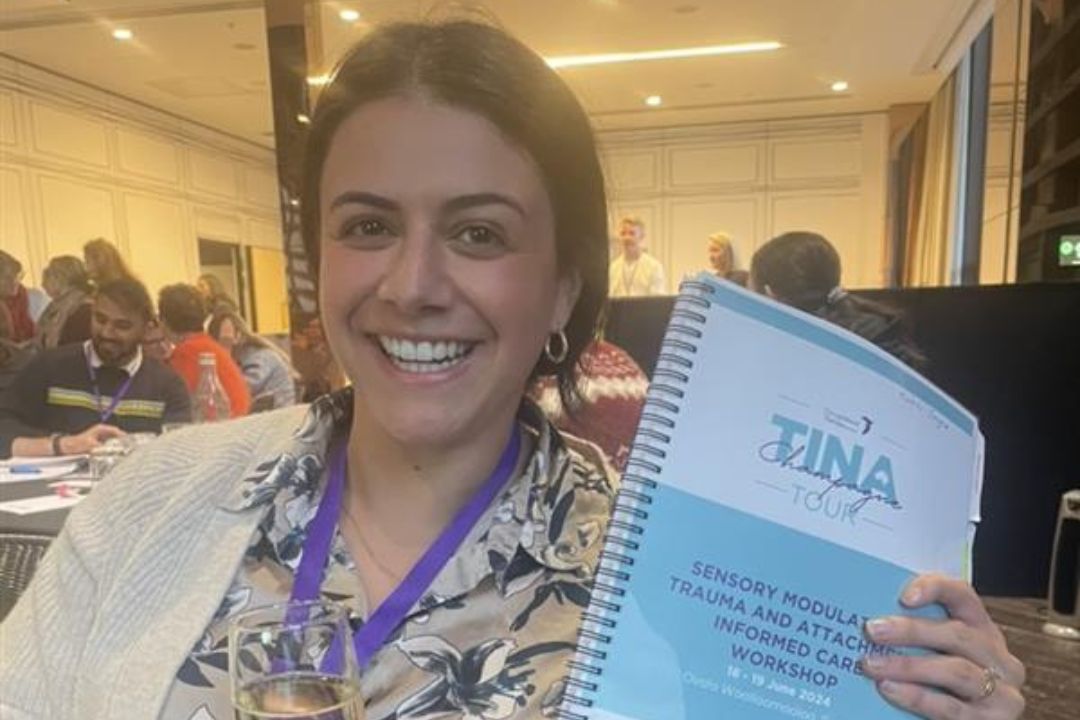
Trauma-Informed Care and Sensory Modulation

There’s something energising about being surrounded by like-minded OTs, buzzing with new ideas, fresh perspectives, and that shared passion for making a difference. In this post, we’re sharing highlights from our time at the recent OT conference – from standout speakers and inspiring sessions to those “aha” moments that remind us why we love what we do.

News|Comments Off on Trauma-Informed Care and Sensory Modulation
Go to Top