
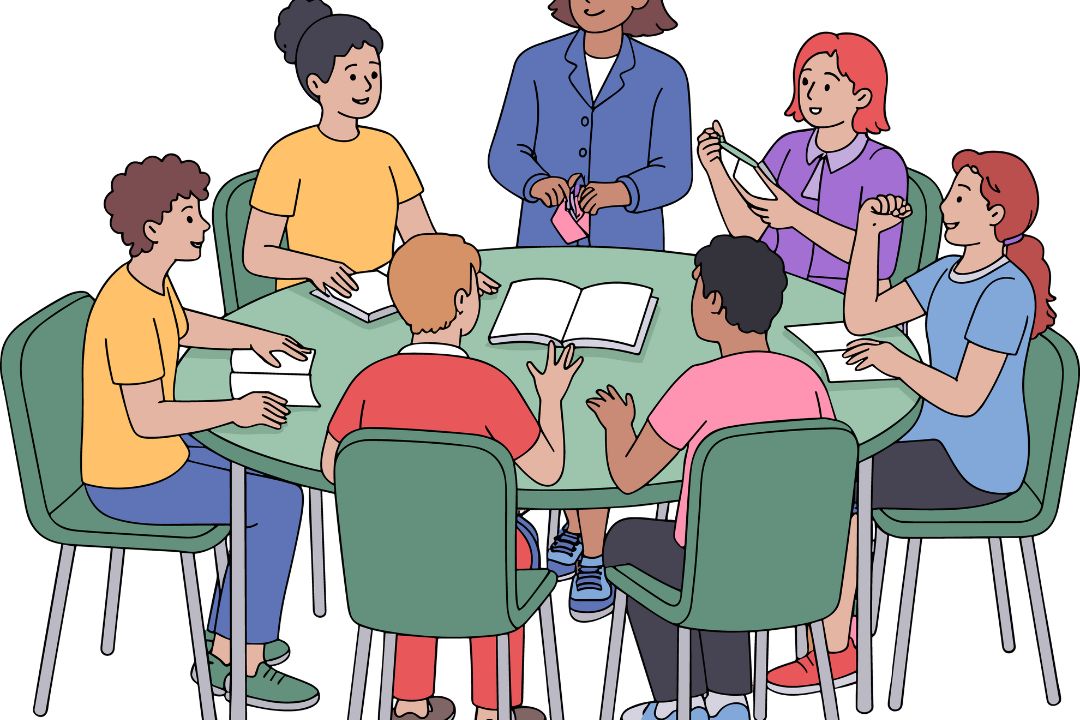
In Victorian government schools, Student Support Group (SSG) meetings are a key mechanism for collaborative planning, review, and monitoring of supports for students with additional learning and wellbeing needs. SSGs provide a structured forum for families, school staff, and relevant professionals to work together to ensure that educational planning remains inclusive, student-centred, and responsive to individual needs.
From an occupational therapy (OT) perspective, participation in SSG meetings is an essential component of effective school-based practice and aligns with the Victorian Department of Education’s commitment to inclusive education.
Supporting Inclusive Education Through Collaborative Practice
The Victorian Department of Education emphasises inclusive education, where all students are supported to access and participate in learning on the same basis as their peers. Occupational therapists contribute to this approach by focusing on functional participation and identifying barriers to engagement within the school environment.
SSG meetings enable OTs to collaborate directly with:
- Classroom teachers and education support staff
- School leadership and wellbeing teams
- Families and caregivers
This collaboration supports shared decision-making and ensures that adjustments are informed by both educational and clinical perspectives.
Contextualising Functional Participation in the School Environment
Occupational therapists work within a functional and ecological framework, recognising that a student’s participation is influenced by the interaction between the student, the learning environment, and the curriculum demands. SSG meetings provide essential contextual information that supports accurate clinical reasoning and relevant intervention planning.
Through SSG discussions, OTs gain insight into:
- Classroom routines, expectations, and curriculum demands
- Transitions throughout the school day
- Playground participation and peer interactions
- Sensory and environmental factors impacting regulation and attention
- Task demands related to writing, organisation, self-management, and independence
This information ensures therapy recommendations are appropriately tailored to the Victorian school context and can be implemented effectively within everyday classroom practice.
Translating Assessment Findings Into Reasonable Adjustments
A key contribution of occupational therapy within SSG meetings is translating assessment findings into practical, evidence-informed strategies and reasonable adjustments that support student participation.
OT input may include:
- Interpretation of assessment data in relation to functional performance at school
- Identification of strengths and areas of need impacting learning and engagement
- Recommendations for reasonable adjustments, environmental modifications, and task adaptations
- Support for goal development within Individual Education Plans (IEPs) or equivalent planning documents
- Guidance on strategy implementation and monitoring within the classroom
This supports schools to meet their obligations under the Disability Discrimination Act (DDA) and Disability Standards for Education, while ensuring adjustments are meaningful and achievable.
Informing Ongoing Planning and Review
SSG meetings play a critical role in reviewing student progress and informing ongoing planning. For occupational therapists, participation allows for:
- Monitoring the effectiveness of implemented strategies
- Adjusting intervention approaches based on school-based observations
- Aligning therapy goals with educational priorities
- Supporting consistency across school, home, and therapy settings
This collaborative review process ensures that supports remain responsive to the student’s evolving needs.
The Value of Inclusion in SSG Meetings
At The Therapy Network, we place high value on being invited to SSG meetings within Victorian schools. Inclusion reflects a shared commitment to collaborative practice, transparency, and student-centred planning.
Participation allows occupational therapists to:
- Provide context-specific clinical input
- Support inclusive and strengths-based planning
- Contribute to coordinated, whole-school approaches
- Strengthen partnerships between families, schools, and allied health professionals
Most importantly, it ensures that the student remains at the centre of all planning and decision-making.
Conclusion
Student Support Group meetings are a critical component of inclusive education in Victorian schools. When occupational therapists are included in these discussions, teams are better positioned to develop cohesive, evidence-informed support plans that enable students to access learning and participate fully in school life.
Through collaboration, shared understanding, and consistent implementation of reasonable adjustments, SSG meetings support positive educational and functional outcomes for students.
If you are planning an upcoming SSG meeting and would value occupational therapy input, we welcome your invitation. Our therapists are committed to working collaboratively with school teams to support inclusive practice and positive outcomes for students.
To request OT attendance at an SSG meeting or to discuss how TTN can support your school, please contact The Therapy Network directly.