Parents often tell us,
“My child is so clever… but they can never remember what they need for school.”
Or…
“They know exactly how to do the task—they just can’t seem to get started.”
These situations can be confusing and frustrating, particularly when a child appears capable in some situations but struggles in others.
Often, these challenges are linked to something called executive functioning.
At The Therapy Network (TTN), executive functioning is one of the most common areas we support through paediatric occupational therapy.
What Is Executive Functioning?
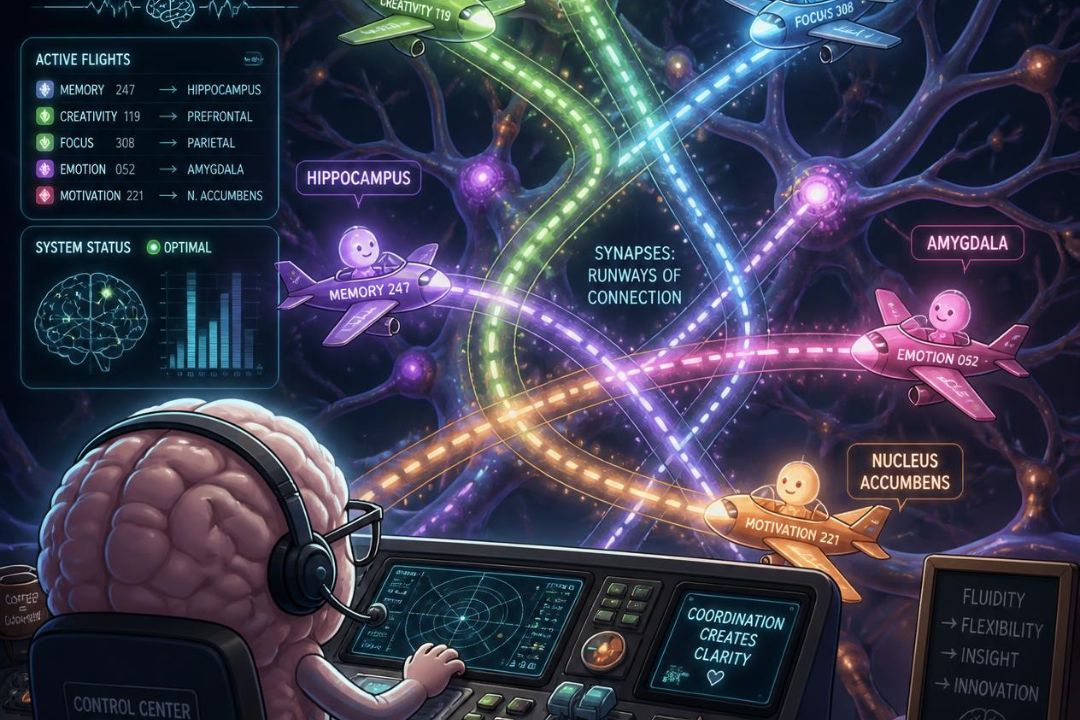
Think of executive functioning as the brain’s management system.
Just like the conductor of an orchestra helps every musician play together at the right time, executive functioning helps different parts of the brain work together efficiently.
These skills allow children to:
- Plan what they need to do.
- Get started on tasks.
- Stay focused.
- Remember instructions.
- Control impulses.
- Manage emotions.
- Solve problems.
- Adapt when plans change.
- Finish what they started.
Without strong executive functioning skills, everyday activities can feel much harder than they should.
What Does Executive Functioning Look Like in Everyday Life?
Executive functioning isn’t just important at school—it affects almost everything children do.
Examples include:
Getting Ready for School
Children need to:
- Remember each step.
- Pack their bag.
- Find their shoes.
- Manage their time.
- Stay on task.
Completing Homework
They need to:
- Organise materials.
- Understand where to begin.
- Ignore distractions.
- Finish the work.
- Pack it away for tomorrow.
Playing with Friends
Executive functioning helps children:
- Wait their turn.
- Cope when they lose.
- Change games.
- Solve disagreements.
- Think flexibly.
Managing Big Feelings
Children use executive functioning to:
- Pause before reacting.
- Calm themselves.
- Think before acting.
- Use coping strategies.
The Main Executive Functioning Skills
Occupational therapists often think about executive functioning as a collection of important brain skills.
Working Memory
Holding information in your mind while using it.
Example:
Remembering three instructions while walking to another room.
Planning and Organisation
Knowing what needs to happen and in what order.
Example:
Packing everything needed for swimming lessons.
Task Initiation
Getting started without needing repeated reminders.
Example:
Beginning homework after school.
Emotional Regulation
Managing emotions during frustrating situations.
Example:
Staying calm after making a mistake.
Impulse Control
Thinking before acting.
Example:
Waiting for your turn during a game.
Flexible Thinking
Being able to adapt when things don’t go as planned.
Example:
Accepting a change in routine without becoming overwhelmed.
Sustained Attention
Remaining focused until a task is complete.Example:
Finishing a worksheet despite background noise.
How Executive Functioning Difficulties Might Look
Every child is different, but some common signs include:
- Frequently forgetting belongings.
- Losing toys or school items.
- Difficulty following multiple instructions.
- Becoming overwhelmed by simple tasks.
- Constantly needing reminders.
- Starting tasks but rarely finishing them.
- Trouble managing emotions.
- Difficulty transitioning between activities.
- Appearing disorganised.
- Avoiding tasks that require planning.
Importantly, these behaviours are not signs of laziness or a lack of intelligence.
Instead, they often reflect developing executive functioning skills that need support.
Executive Functioning Develops Over Time
Executive functioning is not something children simply “have.”
These skills develop gradually from early childhood right through adolescence and into the mid-twenties as the brain continues to mature.
Some children naturally need more support than others, particularly children with:
- ADHD
- Autism
- Learning differences
- Developmental coordination disorder (Dyspraxia)
- Anxiety
- Sensory processing differences
How Occupational Therapy Helps
At The Therapy Network, occupational therapists don’t simply teach children to become “more organised.”
Instead, we help children develop the underlying skills that support independence.
This might include:
- Teaching planning strategies.
- Creating visual routines.
- Building organisational systems.
- Developing emotional regulation strategies.
- Supporting attention and concentration.
- Improving working memory through meaningful activities.
- Teaching problem-solving skills.
- Working with families and schools to create supportive environments.
Our goal is to help children succeed—not by expecting them to think differently, but by giving them strategies that work for their unique brains.
What Parents Can Do at Home
Simple strategies can make a huge difference.
Try:
- Using visual schedules.
- Breaking tasks into smaller steps.
- Creating predictable routines.
- Giving one instruction at a time.
- Using checklists.
- Allowing extra processing time.
- Celebrating effort rather than perfection.
Remember—executive functioning develops with practice, support, and patience.
Every Child Can Build These Skills
Executive functioning isn’t about being “good” or “bad” at organising.
It’s a set of life skills that continue developing throughout childhood.
With the right support, children can learn strategies that help them become more independent, more confident, and better equipped to manage everyday challenges.
At The Therapy Network, our paediatric occupational therapists work alongside families, educators, and children to build these important skills in ways that are practical, engaging, and meaningful—helping every child thrive both at home and at school.