Therapy Network
Therapy Network

Less Clutter, More Play: How Toy Rotation Can Support Children with ADHD

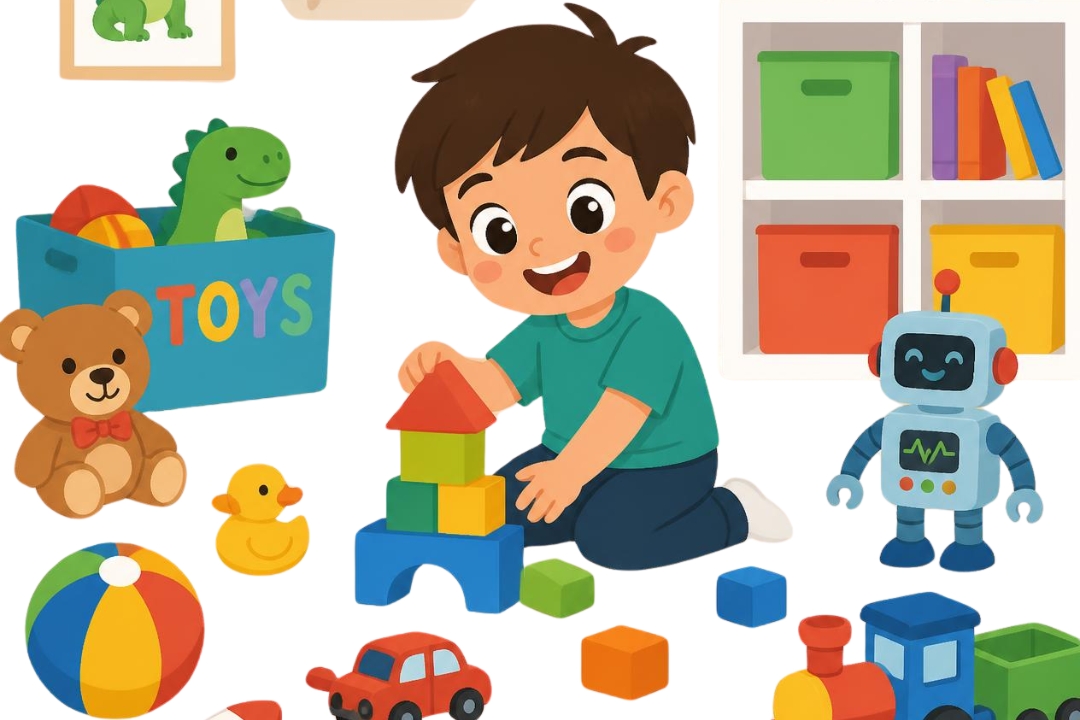
A playroom full of toys might seem like the perfect environment for play, but for some children with ADHD, too many choices can make it harder to know where to start, stay engaged or pack away afterwards. Toy rotation is a simple strategy that reduces visual clutter and creates a more manageable play environment. In this blog, our Occupational Therapists at The Therapy Network explore how toy rotation can support attention, creativity, executive functioning and independent play — without taking the fun out of playtime.


Daily Living Skills, Executive Functioning, Fine and Gross Motor Skills, News, Sensory Processing|Comments Off on Less Clutter, More Play: How Toy Rotation Can Support Children with ADHD

Crossing the Midline: The Hidden Skill That Helps Children Read, Write and Thrive

Have you ever noticed your child swapping hands while colouring, turning the whole page instead of moving their arm, or using one hand for almost every task? While these behaviours may seem insignificant, they can sometimes point to an important developmental skill that is still emerging—crossing the midline. Crossing the midline is one of the building blocks for handwriting, reading, sports, self-care, and coordinated movement. It allows both sides of the body—and the brain—to work together efficiently. When this skill develops well, children move more smoothly, learn more easily, and tackle everyday tasks with greater confidence. At The Therapy Network (TTN), Occupational Therapists regularly assess and support midline crossing as part of a child's overall motor development, helping children strengthen the foundations they need for learning, independence and participation.

Daily Living Skills, Emotional Regulation, Executive Functioning, Fine and Gross Motor Skills, Sensory Processing|Comments Off on Crossing the Midline: The Hidden Skill That Helps Children Read, Write and Thrive

From the Therapy Room to Real Life: Where OT Skills Truly Grow

Occupational therapy is most effective when skills are supported in real life. This blog explores how neurodivergent children build independence, confidence and participation through everyday moments — and how OTs and families work together to turn daily routines into meaningful opportunities for growth

Daily Living Skills|Comments Off on From the Therapy Room to Real Life: Where OT Skills Truly Grow

The Power of Connection: Why We’re Proud to Be The Therapy Network

Why We’re Proud to Be The Therapy Network explores how brain science, connection, and collaboration shape our brand, our spaces, and the way we work with clients, families, schools, and professionals. From clinic-based therapy to school partnerships and strong internal team support, this blog highlights why networks matter—and how they lead to better outcomes.

News|Comments Off on The Power of Connection: Why We’re Proud to Be The Therapy Network

Playtime! It is an important part of Paediatric Occupational Therapy

In this engaging post, we explore why play is far more than fun — it's a vital part of how children learn, grow, and connect with the world. Highlighting the central role of play in physical, cognitive, social-emotional, and language development, we look at how OTs use play both as a therapeutic tool and as a meaningful goal. From building motor skills with blocks to fostering imagination through pretend play, we discuss how play-based therapy boosts engagement and outcomes. Play isn’t a break from learning — it is learning.

Daily Living Skills, News|Comments Off on Playtime! It is an important part of Paediatric Occupational Therapy
Go to Top