
Therapy Network
Therapy Network

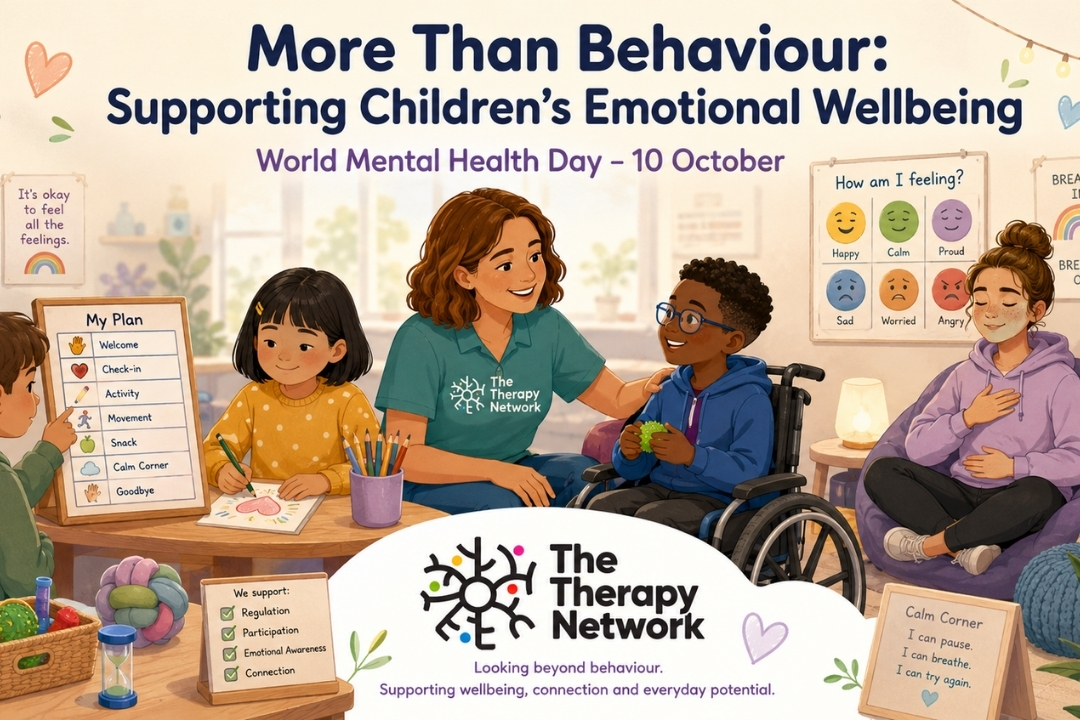
More Than Behaviour: Supporting Children’s Emotional Wellbeing Through Everyday Occupations

On World Mental Health Day – 10 October, the Occupational Therapists at The Therapy Network (TTN) are reflecting on the many ways children’s emotional wellbeing is connected to everyday life. From school mornings and mealtimes to play, friendships, sensory experiences and sleep, a child’s daily occupations can either support regulation or add to their stress. By looking beyond behaviour and understanding what may be happening underneath, OTs can help children and families build routines, environments and strategies that support emotional wellbeing, participation and connection.
Emotional Regulation, Executive Functioning, News|Comments Off on More Than Behaviour: Supporting Children’s Emotional Wellbeing Through Everyday Occupations

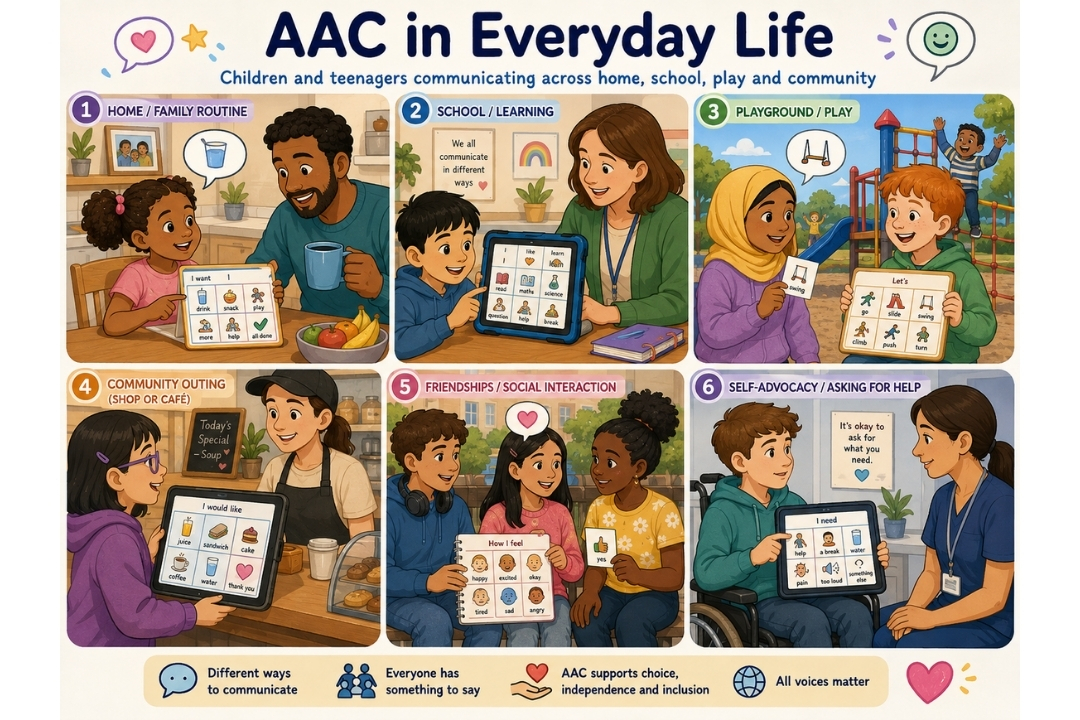
More Than Words: Helping AAC Become Part of Everyday Life

The 2026 AAC Awareness Month theme, “AAC in Everyday Life: Today, Tomorrow, and Beyond,” reminds us that communication supports should not exist only in therapy sessions. For Occupational Therapists at The Therapy Network, AAC is closely connected to participation — helping children and young people communicate choices, express needs, build relationships and take a more active role in the everyday occupations that matter to them.

News|Comments Off on More Than Words: Helping AAC Become Part of Everyday Life

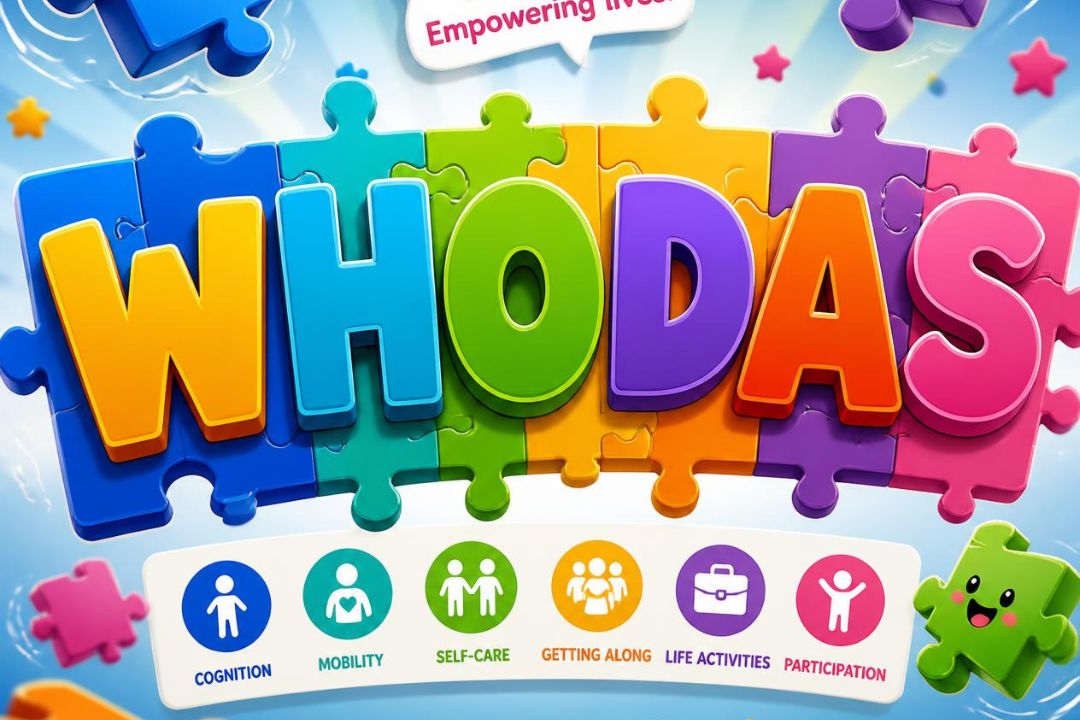
Looking Beyond the Diagnosis: How WHODAS Helps Tell Your Child’s Everyday Story

When families begin the NDIS process, one of the biggest surprises is the number of questionnaires involved in a Functional Capacity Assessment (FCA). It's natural to wonder why they're needed. The answer is simple: the NDIS doesn't fund a diagnosis—it funds the impact that diagnosis has on everyday life. One of the key evidence-based tools Occupational Therapists use to understand this impact is the World Health Organization Disability Assessment Schedule (WHODAS 2.0). In this blog, we explain what the WHODAS measures, why it plays such an important role in Functional Capacity Assessments, and how it helps families, therapists and the NDIS gain a clearer understanding of a person's strengths, challenges and support needs.

Daily Living Skills, Emotional Regulation, Executive Functioning, Fine and Gross Motor Skills, News, Sensory Processing|Comments Off on Looking Beyond the Diagnosis: How WHODAS Helps Tell Your Child’s Everyday Story
Go to Top