
A bowl of yoghurt spread across a highchair tray.
Paint-covered fingers.
Water splashed across the floor.
Sand in places you never expected to find it.
For parents, messy play can sometimes feel like a lot of preparation followed by even more cleaning.
For babies and toddlers, however, it is one of the most valuable ways to learn.
At The Therapy Network (TTN), our paediatric occupational therapists see messy play as much more than entertainment. It gives young children opportunities to explore textures, practise movement, build confidence, communicate, solve problems, and make sense of the world around them.
Babies and toddlers learn through doing. They touch, squeeze, drop, smear, taste, pour, crawl through, and investigate.
Messy play allows all of this to happen in a safe and meaningful way.
What Is Messy Play?
Messy play involves open-ended exploration using materials that children can touch, move, mix, spread, pour, squeeze, or manipulate.
Examples include:
- Water
- Sand
- Mud
- Paint
- Playdough
- Foam
- Yoghurt
- Mashed fruit
- Cooked pasta
- Rice
- Oats
- Jelly
- Ice
- Shaving foam alternatives designed for children
- Natural materials such as leaves, grass, and soil
The goal is not to create a perfect end product.
The value comes from the process of exploring.
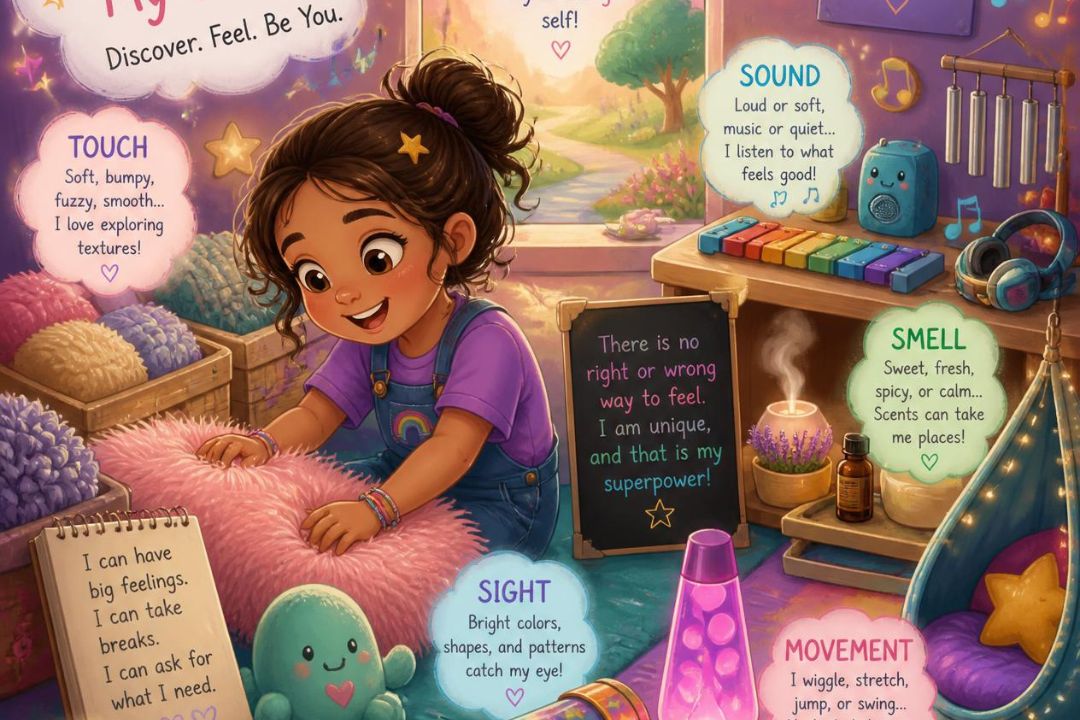
Why Babies and Toddlers Learn Through Their Senses
Young children rely heavily on sensory experiences to understand their surroundings.
They learn by:
- Looking
- Touching
- Smelling
- Listening
- Moving
- Tasting
- Repeating actions
When a baby squashes banana between their fingers, they are learning about texture, pressure, cause and effect, and how their hands move.
When a toddler pours water from one cup to another, they are practising coordination, attention, problem-solving, and early concepts such as full, empty, more, and less.
These experiences build strong foundations for later learning.
Messy Play Supports Sensory Processing
Sensory processing is the way the brain receives, organises, and responds to information from the body and environment.
Messy play introduces children to a wide variety of sensory experiences, including:
- Wet and dry textures
- Smooth and rough surfaces
- Warm and cool temperatures
- Sticky, slippery, soft, and firm materials
- Different smells and colours
- Movement and resistance
Regular exposure helps children gradually learn how different sensations feel.
For some children, this can improve comfort with everyday experiences such as:
- Eating
- Tooth brushing
- Hair washing
- Bath time
- Getting dressed
- Playing outdoors
- Using art materials
Messy Play Builds Fine Motor Skills
Messy play gives babies and toddlers many opportunities to use the small muscles in their hands and fingers.
They may:
- Pinch
- Poke
- Scoop
- Squeeze
- Roll
- Pull
- Tear
- Stir
- Pour
- Press
- Pick up small pieces
These actions support the development of:
- Hand strength
- Finger control
- Coordination
- Grasping skills
- Two-handed use
- Early tool use
These are the same foundational skills children later use for drawing, dressing, feeding, cutting, and handwriting.
It Supports Hand-Eye Coordination
During messy play, children watch what their hands are doing and adjust their movements.
For example, they may:
- Reach for a floating toy
- Scoop sand into a bucket
- Place pasta into a container
- Spread paint across paper
- Pour water towards a target
These activities strengthen the connection between vision and movement.
Messy Play Encourages Problem-Solving
Young children naturally experiment during messy play.
They may discover:
- What happens when water is poured into sand
- Whether a toy sinks or floats
- How much playdough fits into a cup
- What happens when two colours mix
- How to retrieve an object buried in rice
- How to move thick yoghurt with a spoon
There is no single correct answer.
Children are free to test ideas, make mistakes, try again, and learn from the result.
This supports early reasoning, persistence, and flexible thinking.
It Supports Language Development
Messy play creates natural opportunities for communication.
Adults can introduce words such as:
- Wet
- Dry
- Sticky
- Cold
- Soft
- Rough
- More
- Empty
- Full
- Pour
- Squeeze
- Splash
- Mix
Children may also communicate through:
- Gestures
- Facial expressions
- Sounds
- Pointing
- Choosing
- Imitating
Because the activity is engaging, language develops in a meaningful context.
Messy Play Builds Confidence and Curiosity
Babies and toddlers are naturally curious.
Messy play allows them to explore without pressure to perform.
There is no perfect picture to copy and no expectation that the activity must look a certain way.
Children can follow their own ideas.
This supports:
- Confidence
- Independence
- Creativity
- Curiosity
- Decision-making
- Willingness to try new things
When adults respond positively to exploration, children learn that experimenting is safe and valuable.
The Link Between Messy Play and Feeding
Messy play can be particularly valuable for feeding development.
Before children feel comfortable eating a food, they may need time to:
- Look at it
- Smell it
- Touch it
- Squash it
- Lick it
- Move it around
- Watch others interact with it
Allowing babies and toddlers to explore food with their hands helps them learn about texture and predictability.
For example, a child may learn that banana is soft, yoghurt is cold, toast is dry, and avocado is slippery.
This does not mean every child will immediately eat a new food, but sensory exploration can support positive mealtime experiences.
It Supports Body Awareness and Movement
Messy play is not limited to tabletop activities.
Children may crawl through water, dig in sand, stamp in mud, or paint on large sheets of paper.
These activities support:
- Balance
- Core strength
- Shoulder stability
- Coordination
- Motor planning
- Body awareness
Larger messy play activities are especially helpful for toddlers who learn best through movement.
Messy Play Can Support Emotional Regulation
Sensory play can be calming or alerting depending on the material and the child.
Activities such as slowly pouring water, squeezing playdough, or running hands through dry rice may feel soothing.
Other activities, such as splashing, stomping, or painting with large movements, may help children release energy.
Messy play can also help toddlers practise coping with small unexpected experiences, such as paint touching their sleeve or water spilling.
With calm adult support, these moments can build flexibility and emotional resilience.
What if My Child Does Not Like Mess?
Not every child enjoys messy play straight away.
Some babies and toddlers may:
- Pull their hands away
- Cry when touching certain textures
- Avoid food on their hands
- Refuse finger painting
- Become distressed by sticky materials
- Prefer watching rather than joining
This does not mean they are being difficult.
The sensation may feel unfamiliar, unpredictable, or overwhelming.
It is important not to force participation.
How to Introduce Messy Play Gently
Start With Familiar Materials
Use something your child already knows, such as:
- Water
- A favourite food
- Bath toys
- Dry cereal
Let Them Watch First
Some children need time to observe before joining.
You can model the activity without expecting them to copy.
Offer Tools
Children who do not want to touch a texture directly may use:
- Spoons
- Brushes
- Cups
- Tongs
- Toy cars
- Scoops
This allows participation with less direct contact.
Keep a Clean-Up Option Nearby
A towel or bowl of water can reassure children that they can clean their hands when needed.
Begin With Small Amounts
A tiny amount of paint or yoghurt may feel more manageable than a large tray.
Follow Your Child’s Lead
Some children may only touch a material with one finger.
That is still valuable exploration.
Progress should be gradual and respectful.
Simple Messy Play Ideas for Babies
All activities should be closely supervised and suitable for the child’s age and developmental stage.
Ideas include:
- Yoghurt painting on a highchair tray
- Mashed banana exploration
- Water play with cups
- Edible finger paint
- Ice cubes in a shallow tray
- Soft cooked pasta
- Chia or oat-based sensory mixtures
- Large pieces of soft fruit
- Sponges in water
For babies who mouth objects, use edible or taste-safe materials and avoid choking hazards.
Simple Messy Play Ideas for Toddlers
Toddlers may enjoy:
- Mud kitchens
- Finger painting
- Playdough
- Water pouring stations
- Sand play
- Washing toy animals
- Mixing coloured water
- Painting with toy cars
- Digging for hidden objects
- Oat or rice sensory tubs
- Making pretend meals
- Nature play with leaves, flowers, and soil
The activity does not need to be complicated or expensive.
Messy Play Does Not Need to Take Over the House
Many families avoid messy play because of the clean-up.
A few simple strategies can make it more manageable:
- Use a washable mat or old sheet.
- Try activities in the bath or shower.
- Set up outdoors.
- Use a highchair tray.
- Dress children in old clothes.
- Use a shallow container to limit spreading.
- Keep towels nearby.
- Choose one material at a time.
- Schedule the activity before bath time.
Even five or ten minutes of exploration can be valuable.
Avoid Turning Messy Play Into a Test
Messy play should remain child-led and enjoyable.
Try to avoid:
- Expecting a specific finished product
- Correcting how the child explores
- Asking too many questions
- Repeatedly telling them not to spill
- Forcing them to touch something
- Comparing them with other children
Instead, adults can describe what is happening:
- “The water is cold.”
- “You squeezed the playdough.”
- “The paint is spreading.”
- “You poured the cup.”
This supports learning without taking over the experience.
Safety Considerations
Close supervision is essential, particularly for babies and toddlers.
Families should:
- Use age-appropriate materials.
- Avoid small choking hazards.
- Check for allergies.
- Use non-toxic products.
- Ensure food-based materials are safe for the child.
- Keep water play shallow and fully supervised.
- Avoid raw flour and other materials that may carry bacteria.
- Consider whether the child is likely to mouth the material.
- Wash hands before and after play.
When uncertain, choose simple edible or household materials that are known to be safe for the child.
Signs Your Child May Benefit From Occupational Therapy Support
Consider speaking with an occupational therapist if your child:
- Becomes extremely distressed by common textures
- Avoids touching food
- Refuses many self-care activities because of sensory discomfort
- Has difficulty using their hands during play
- Rarely explores toys or materials
- Finds bath time, dressing, or mealtimes highly stressful
- Shows significant feeding challenges
- Has difficulty participating in age-appropriate play
- Becomes overwhelmed by sensory experiences across multiple settings
An occupational therapist can help identify whether sensory, motor, or developmental factors are affecting participation.
How we as Occupational Therapists Use Messy Play
Occupational therapists may use messy play to support:
- Sensory exploration
- Fine motor development
- Hand strength
- Feeding participation
- Motor planning
- Attention
- Emotional regulation
- Play skills
- Confidence
- Parent-child interaction
The activity is always selected with the child’s goals, age, preferences, and safety in mind.
Therapy is not about making a child tolerate every texture.
It is about building confidence and participation gradually while respecting the child’s responses.
Every Child Explores Differently
Some children dive straight into messy play with both hands.
Others prefer to watch, use a spoon, or touch the material very briefly.
Both are valid ways to begin.
The most important thing is creating a safe, playful environment where children can explore at their own pace.
Messy play is not about how much mess is created.
It is about the learning, curiosity, movement, communication, and confidence that develop along the way.
How TTN Can Help
At The Therapy Network (TTN), our paediatric occupational therapists help babies and toddlers build the sensory, motor, play, feeding, and everyday participation skills that support early development.
Through play-based assessment, family coaching, and practical strategies, we help parents understand how their child explores the world and how to introduce new experiences in ways that feel safe and achievable.
Because sometimes the most important early learning begins with a little splash, squish, or spill.