
Why Hand Strength Is So Important
Our hands are involved in almost everything we do.
Strong hand muscles provide the foundation for developing fine motor skills, coordination, endurance, and precision. Without adequate hand strength, children often work much harder than their peers to complete everyday tasks.
Children use hand strength for:
- Holding and controlling a pencil
- Cutting with scissors
- Fastening buttons and zippers
- Tying shoelaces
- Opening lunchboxes and drink bottles
- Using cutlery
- Building with construction toys
- Drawing, colouring and crafting
- Playing musical instruments
- Managing personal care tasks
When hand muscles tire quickly, children may avoid these activities altogether, which can affect their confidence, participation, and willingness to try new challenges.
Signs Your Child May Need More Hand Strength
Every child develops differently, but some common signs include:
- Complaining that their hand hurts when writing
- Frequently swapping hands during colouring or drawing
- Avoiding colouring, puzzles or craft activities
- Difficulty opening containers or lunchboxes
- Struggling with buttons, zips or clothing fasteners
- Messy or slow handwriting
- Using their whole arm instead of finger movements
- Becoming tired during fine motor activities
These challenges don’t necessarily mean something is “wrong”—they simply indicate your child may benefit from opportunities to strengthen the small muscles in their hands.
The Best Hand Exercises Don’t Feel Like Exercises
Children are naturally motivated by play—not drills.
Here are some of our favourite Occupational Therapist-approved activities that build hand strength while keeping children engaged.
1. Playdough Power
Playdough is one of the best tools for strengthening little hands.
Encourage your child to:
- Roll snakes
- Make tiny balls
- Flatten pancakes
- Hide beads to find
- Pinch spikes onto monsters
- Use cookie cutters
- Cut with child-safe scissors
Each squeeze, pinch and roll strengthens different muscles across the hand and fingers.
2. Pegs and Clothespins
Opening and closing pegs requires excellent finger strength.
Try clipping pegs:
- Around a container
- Onto cardboard
- Along a washing line
- Around paper plates to create sun rays
- Onto toy animals as “spikes”
Turn it into a race or colour-sorting game for even more fun.
3. Water Play
Water activities naturally encourage repeated squeezing movements.
Ideas include:
- Squeezing sponges
- Spray bottles
- Water pistols
- Eye droppers
- Turkey basters
- Pipettes
- Bath toys that squirt water
Children are usually so busy having fun they don’t realise they’re strengthening their hands.
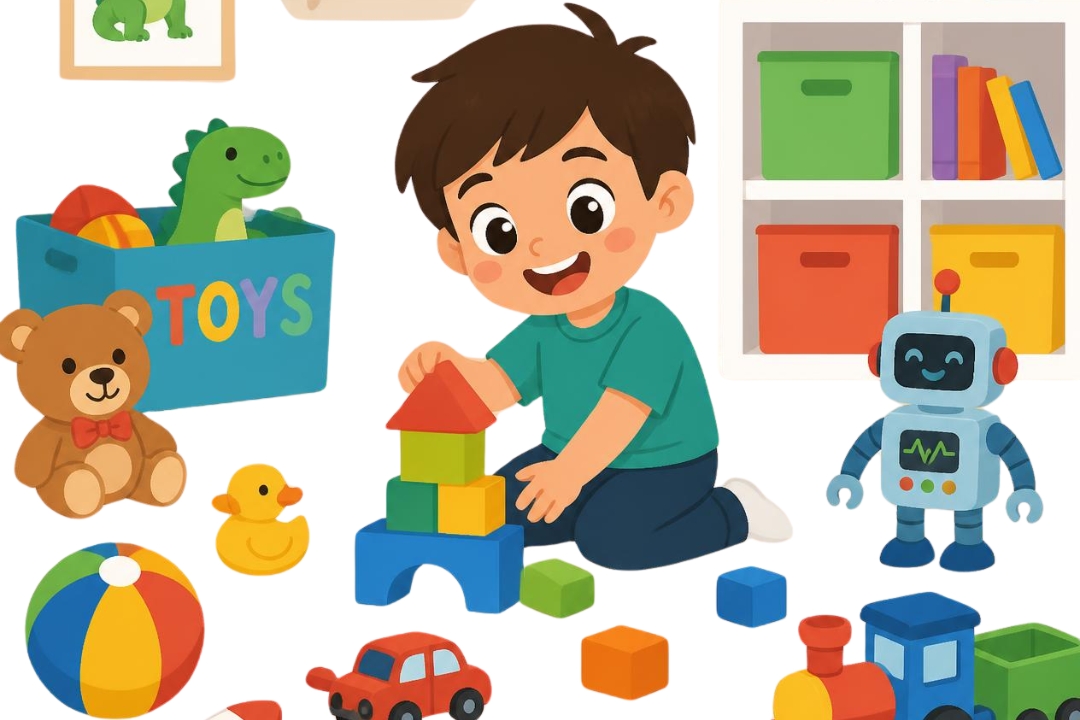
4. LEGO®, Building Blocks and Construction Toys
Building toys require children to:
- Push pieces together
- Pull them apart
- Rotate pieces
- Stabilise with one hand while manipulating with the other
These actions improve both strength and coordination.
5. Tweezers, Tongs and Treasure Hunts
Picking up small objects strengthens the thumb, index finger and middle finger—the same muscles used for pencil control.
Try collecting:
- Pom-poms
- Cotton balls
- Marbles (with supervision)
- Beads
- Buttons
- Mini animals
Challenge your child to sort by colour, size or shape.
6. Stickers and Stamps
Peeling stickers off a sheet requires surprisingly good finger control.
Create fun activities like:
- Sticker scenes
- Treasure maps
- Reward charts
- Homemade birthday cards
Rubber stamps also strengthen the wrist while improving hand control.
7. Everyday Jobs Count Too
Some of the best strengthening activities happen during everyday routines.
Invite your child to help with:
- Stirring cake mixture
- Kneading dough
- Rolling pastry
- Pouring drinks
- Washing windows with a spray bottle
- Wiping tables
- Hanging washing
- Folding clothes
- Opening food containers
- Carrying shopping bags (appropriate to their size)
These jobs build strength while encouraging independence and confidence.
Outdoor Play Builds Strong Hands Too
Gross motor play also supports hand development.
Activities like:
- Climbing playground equipment
- Hanging from monkey bars
- Digging in sand
- Wheelbarrow walks
- Rock climbing
- Gardening
- Crawling through obstacle courses
help strengthen the shoulders, arms and wrists—which provide the stable base needed for precise hand movements.
It’s About More Than Strong Fingers
Hand strength is only one piece of the puzzle.
Occupational Therapists also look at:
- Finger coordination
- Bilateral coordination (using both hands together)
- Wrist stability
- Shoulder strength
- Core stability
- Visual motor integration
- Motor planning
- Sensory processing
When these skills work together, children find everyday tasks much easier.
How TTN Occupational Therapists Can Help
At The Therapy Network (TTN), we understand that every child has unique strengths, interests and developmental needs.
Our Occupational Therapists work alongside families to:
- Assess hand strength and fine motor development
- Identify the underlying reasons for difficulties
- Develop personalised therapy goals
- Recommend engaging, play-based activities
- Integrate strengthening into everyday routines
- Monitor progress and adjust strategies as children grow
Most importantly, we make therapy enjoyable. Children are far more likely to practise when activities are meaningful, motivating and fun.
A Little Practice Every Day Makes a Big Difference
Building stronger hands doesn’t require expensive equipment or hours of practice.
Five to ten minutes of playful activities each day can make a significant difference over time. Whether your child is rolling playdough, clipping pegs, building towers or helping make dinner, they’re developing the strength they’ll use for school, play and everyday independence.
With the right support—and plenty of opportunities to play—those little hands can grow stronger, more coordinated and more confident every day.
Need Some Extra Support?
If your child finds handwriting tiring, struggles with fine motor tasks, or avoids activities that require hand strength, an Occupational Therapy assessment can help identify the underlying challenges and provide practical strategies tailored to their needs.