
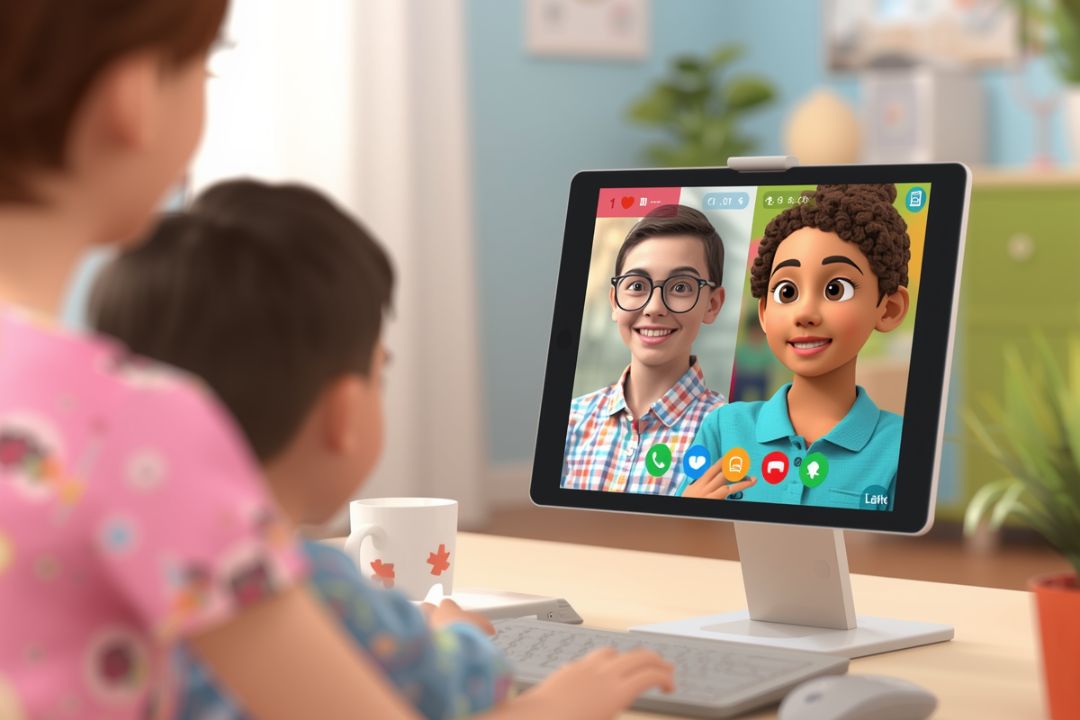
Why Telehealth Works for Families
In today’s busy world, telehealth has become a valuable way for children to access occupational therapy—whether it’s due to distance, time pressures, or health considerations.
With the right setup and support, virtual sessions can be just as effective as in-person therapy. The key is creating an environment where your child feels comfortable, focused, and ready to engage.
Setting Up for Success (Before You Even Log In)
A smooth session starts with a little preparation.
Keep It Safe and Secure
Your child’s privacy matters.
- Use a trusted, secure platform (your TTN therapist will guide you)
- Choose a private, quiet space for the session
Check Your Tech
Nothing disrupts a session like a glitchy connection.
- Test your internet speed beforehand
- Make sure your device is charged and updated
- Have your login details ready to go
Create a Calm Space
Set your child up in a distraction-free area.
- Turn off TVs and reduce background noise
- Keep siblings and pets occupied where possible
- Have any therapy materials nearby
A calm space helps your child stay focused and get the most out of their session.
Helping Your Child Feel Ready
A little preparation goes a long way in helping your child feel confident.
Talk About What to Expect
Explain that they’ll be seeing their therapist on a screen instead of in person.
Keep it simple and positive so they know what’s coming.
Encourage Participation
Let your child know it’s okay to ask questions, share ideas, and be involved.
The more engaged they are, the more they’ll gain from the session.
Your Role Matters Too
Parents play an important role in telehealth.
You might:
- Help with technology
- Prompt or guide your child
- Support activities when needed
Think of it as a team effort!
When Things Don’t Go to Plan (Because Sometimes They Won’t!)
Telehealth is fantastic—but it’s not always perfect. Here’s how to handle common hiccups:
Tech Troubles
If the connection drops or something isn’t working:
- Try reconnecting or restarting the device
- Contact your therapist if needed
- Reschedule if the issue can’t be fixed
Distractions at Home
If your child is struggling to focus:
- Set clear boundaries with others at home
- Use headphones if helpful
- Keep sessions short and engaging
Keeping Your Child Engaged
Some children find online sessions tricky at first.
- Use hands-on materials or visuals
- Follow your therapist’s suggestions for engagement
- Be patient—it often improves with time
What Happens After the Session Matters Too
The learning doesn’t stop when the screen turns off.
Practice Makes Progress
Talk about what your child worked on and try to practise it during everyday routines or play.
Stay Connected
Check in with your therapist about progress, questions, or next steps.
This helps keep therapy aligned with your child’s needs.
Track the Wins
Keep a simple record of your child’s progress—big or small.
It’s a great way to stay motivated and see how far they’ve come.
Making Telehealth Work Long-Term
Consistency and involvement are key to success.
Stick to a Routine
Regular session times help your child feel prepared and reduce anxiety.
Empower Your Child
Let them have a say—whether it’s choosing an activity or sharing feedback.
Confidence grows when they feel involved.
Bring Therapy Into Everyday Life
Use the strategies your therapist provides between sessions.
This helps your child build skills in a natural, meaningful way.
Final Thoughts
Telehealth can be a flexible, effective, and empowering way to support your child’s development—when it’s set up with care and intention.
With a little preparation, clear communication, and ongoing support, your child can thrive in their virtual therapy sessions.
At The Therapy Network, we’re here to guide you every step of the way—helping you create a smooth, secure, and successful telehealth experience for your child.
Ready for your next session? Reach out to our team—we’re here to support you and your family.