
Why Chores Matter More Than You Think
Chores are often seen as “just something that needs to be done,” but for children, they are rich learning opportunities. Everyday tasks at home can support your child’s development in practical, meaningful ways—while also helping them feel capable and included in family life.
From an occupational therapy perspective, chores are not just about responsibility—they’re about building skills for life.
Everyday Tasks = Big Developmental Wins
Building Strong Bodies Through Movement
Simple chores help children develop both fine and gross motor skills.
- Wiping tables, washing dishes, or hanging clothes builds hand strength and coordination
- Sweeping, vacuuming, or carrying items supports balance, posture, and whole-body movement
These everyday actions help children become more confident and capable in using their bodies effectively.
Growing Thinking Skills Without the Worksheets
Chores naturally build cognitive and problem-solving skills.
- Sorting laundry by colour or type encourages categorising and organising.
- Following steps (e.g. setting the table) supports sequencing and planning.
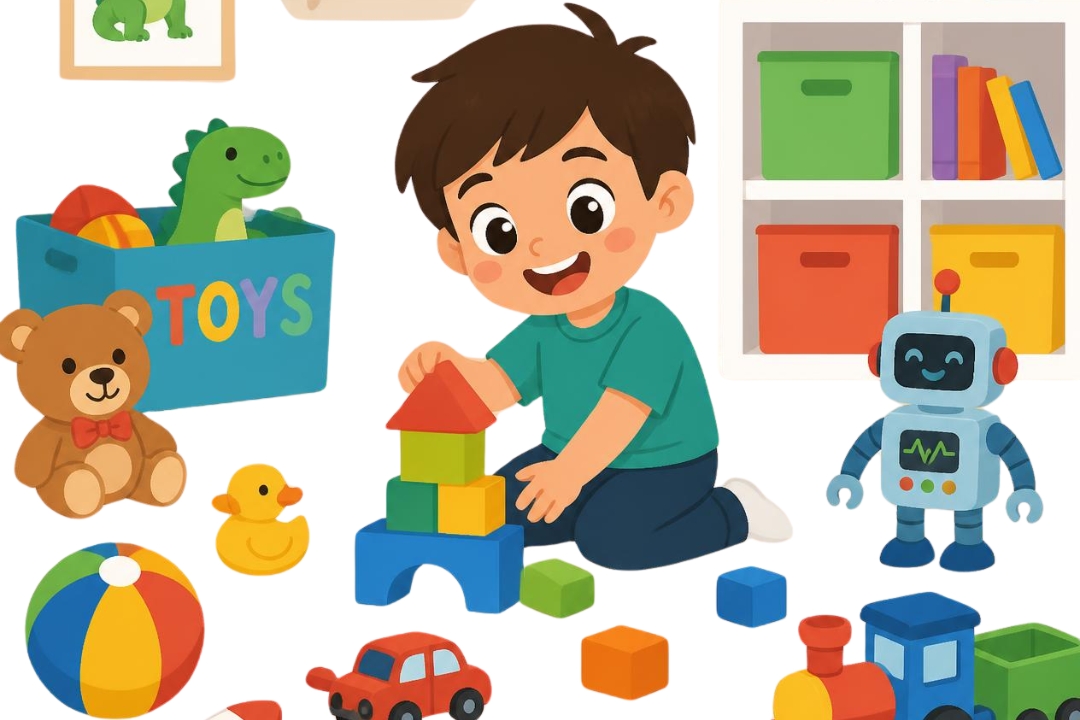
- Packing away toys teaches decision-making and task completion.
These are the same skills children use in school, learning, and everyday life.
Making Chores Something Kids Want to Do
Let’s be honest—most children don’t jump at the idea of chores. But with a little creativity, they can become much more engaging.
Turn Tasks Into Mini Challenges
- “How many toys can you pack away before the timer goes off?”
- “Can you match all the socks before the song ends?”
- “Let’s race to see who finishes their task first!”
Adding play and challenge helps build motivation and makes participation feel rewarding.
Celebrate Effort, Not Just Perfection
Children are more likely to stay engaged when they feel successful.
- Praise trying, not just finishing
- Acknowledge effort (“You kept going even when it was tricky!”)
- Keep expectations realistic for their age and stage
Supporting Children Who Need a Little Extra Help
Every child can benefit from chores, but some may need adjustments to succeed—especially children with developmental differences, sensory needs, or motor challenges.
Match the Task to the Child
Success starts with the right level of challenge.
- Use larger, easier-to-handle tools for fine motor difficulties
- Reduce steps in a task if needed
- Offer visual or verbal prompts for support
When tasks are achievable, children are more likely to stay engaged and confident.
Set Up the Environment for Success
The space matters just as much as the task.
- Keep instructions clear and visual where possible
- Reduce distractions during task time
- Build in breaks if attention or regulation is challenging
A calm, structured environment helps children feel more in control.
When Chores Feel Hard (and How to Help)
It’s completely normal for children to resist chores at times. The goal isn’t to eliminate resistance—it’s to support them through it.
Break It Down
Big tasks feel less overwhelming when split into smaller steps:
- “First we pick up toys, then we put books away”
Create Predictability
- Keep chores part of a regular routine
- Use visual schedules or simple reminders
Knowing what to expect reduces stress and pushback.
Offer Small Choices
Choice builds cooperation:
- “Do you want to tidy your room or help with the washing first?”
It gives children a sense of control while still completing the task.
Chores Build More Than Clean Spaces
When children participate in everyday tasks, they are learning far more than how to tidy a room. They are building:
- Independence
- Responsibility
- Confidence
- Problem-solving skills
- Self-esteem
These skills carry into school, friendships, and everyday life.
Final Thoughts
Chores don’t need to be a struggle. When we shift the focus from “getting it done” to “what is my child learning through this?”, everyday tasks become powerful opportunities for growth.
At The Therapy Network, we support families to build practical, meaningful routines that develop skills in real-life settings—because the best learning often happens right at home.
If you’d like support in building your child’s independence and skills through daily routines, our OT team is here to help. Reach out to TTN today.