
At The Therapy Network (TTN), we often remind families that therapy doesn’t begin and end in the clinic. The home environment plays a powerful role in supporting regulation, emotional wellbeing, and skill development.
For many children — particularly those with sensory processing differences, developmental delays, or additional needs — everyday experiences like noise, lighting, textures, or transitions can feel overwhelming. A sensory-friendly home environment doesn’t mean redesigning your house or buying expensive equipment. It means making thoughtful adjustments that help your child feel calm, organised, and supported.
Here are some practical ways to get started.
1. Create a Calm Corner
Designate a small, predictable space where your child can go to regulate.
This might include:
- Soft cushions or a beanbag
- A weighted blanket (if appropriate for your child)
- Noise-cancelling headphones
- Fidget tools or calming sensory items
- A visual cue that shows this is a “quiet space”
The goal isn’t isolation — it’s providing a safe reset space when emotions or sensory input become too much.
2. Be Mindful of Lighting
Lighting can significantly impact regulation.
Consider:
- Using warm, soft lighting instead of bright fluorescent bulbs
- Installing dimmer switches where possible
- Allowing natural light during the day
- Avoiding flickering lights
For some children, harsh lighting can increase anxiety or dysregulation without them being able to explain why.
3. Manage Noise Levels
Background noise we tune out as adults can feel overwhelming to a child with sensory sensitivities.
Try:
- Turning off the TV when not actively watching
- Using soft background music rather than multiple competing sounds
- Adding rugs or curtains to reduce echo
- Providing headphones during busy or noisy times
4. Offer Movement Opportunities Throughout the Day
Many children regulate through movement. Rather than trying to reduce movement, we can provide safe and structured ways to meet that need.
At home, this might include:
- A mini trampoline (if safe and supervised)
- Wall push-ups or animal walks
- Carrying groceries or helping with “heavy work”
- Outdoor play before homework or seated tasks
Movement breaks can help improve attention, mood, and participation in daily routines.
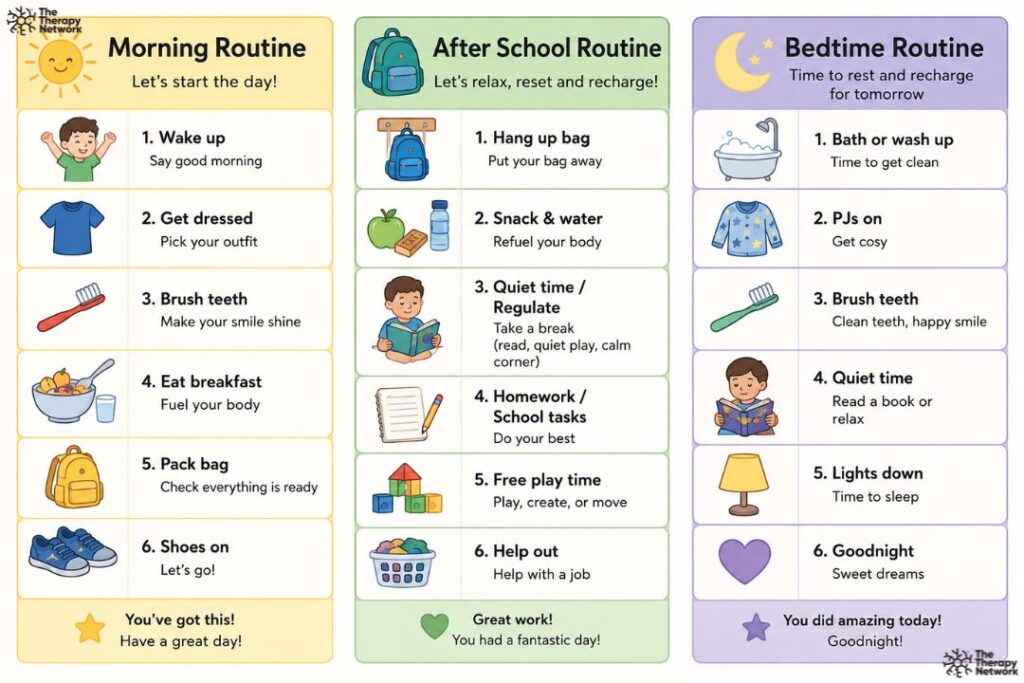
5. Support Predictability with Visuals
A sensory-friendly home is also a predictable home.
Consider:
- Visual schedules
- Timers for transitions
- Clear routines for morning, after school, and bedtime
- Visual cues for expectations (e.g., “shoes here,” “bags here”)
When children know what to expect, their nervous systems feel safer.
6. Be Thoughtful About Textures
Some children are highly sensitive to clothing seams, food textures, or certain surfaces.
You might:
- Remove clothing tags
- Offer choices between preferred fabrics
- Introduce new food textures slowly and without pressure
- Notice which blankets, towels, or surfaces your child gravitates toward
Observation is key — your child’s preferences are important information.
7. Reduce Clutter Where Possible
Visual clutter can feel overwhelming.
Try:
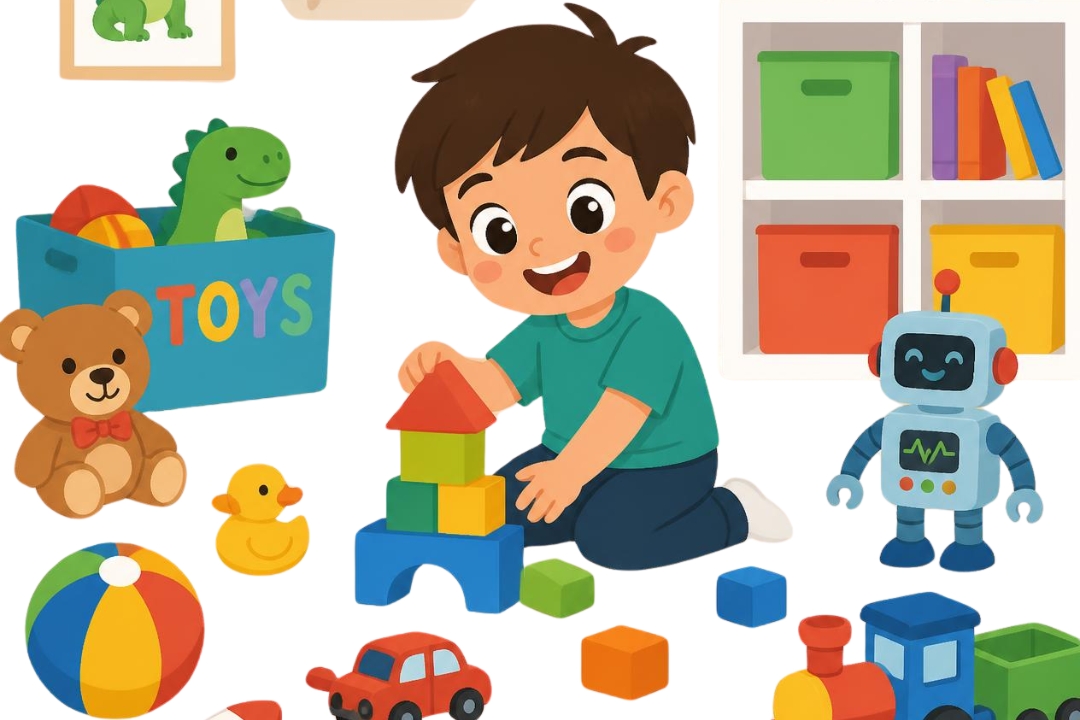
- Storing toys in labelled containers
- Rotating toys rather than having everything available
- Keeping workspaces clear and simple
- Creating defined areas for different activities
A calmer visual space often supports calmer behaviour.
8. Remember: Regulation Looks Different for Every Child
What feels calming to one child may feel alerting to another. There is no “one-size-fits-all” sensory solution.
At TTN, our occupational therapists work closely with families to understand each child’s unique sensory profile and help embed strategies naturally into everyday routines.
Final Thoughts
Creating a sensory-friendly home isn’t about perfection — it’s about intention.
Small changes in lighting, sound, structure, and movement can significantly impact your child’s ability to feel safe, regulated, and ready to learn.
If you’d like support understanding your child’s sensory needs or would like guidance tailored specifically to your family, our team at The Therapy Network is here to help.
Because when children feel regulated, they’re better able to connect, participate, and thrive — at home and beyond.